Avoid Bad Marriage Advice From Feminist Sisters and Bitter Wives

Some of the worst marriage advice I’ve ever heard didn’t come from non-Muslims. It came from Muslim sisters who are feminists and felt they were “liberated,” and from bitter wives who spoke with certainty, confidence, and deep unresolved pain.
Their advice often sounds empowering at first, but it’s usually wrapped in warnings, sarcasm, and stories of disappointment. It feels like protection, but slowly, almost quietly, it hardens your heart, poisons your expectations, and teaches you to fear marriage and dislike men.
Islam never taught us to be naive, but it also never taught us to be cynical. There is a difference.
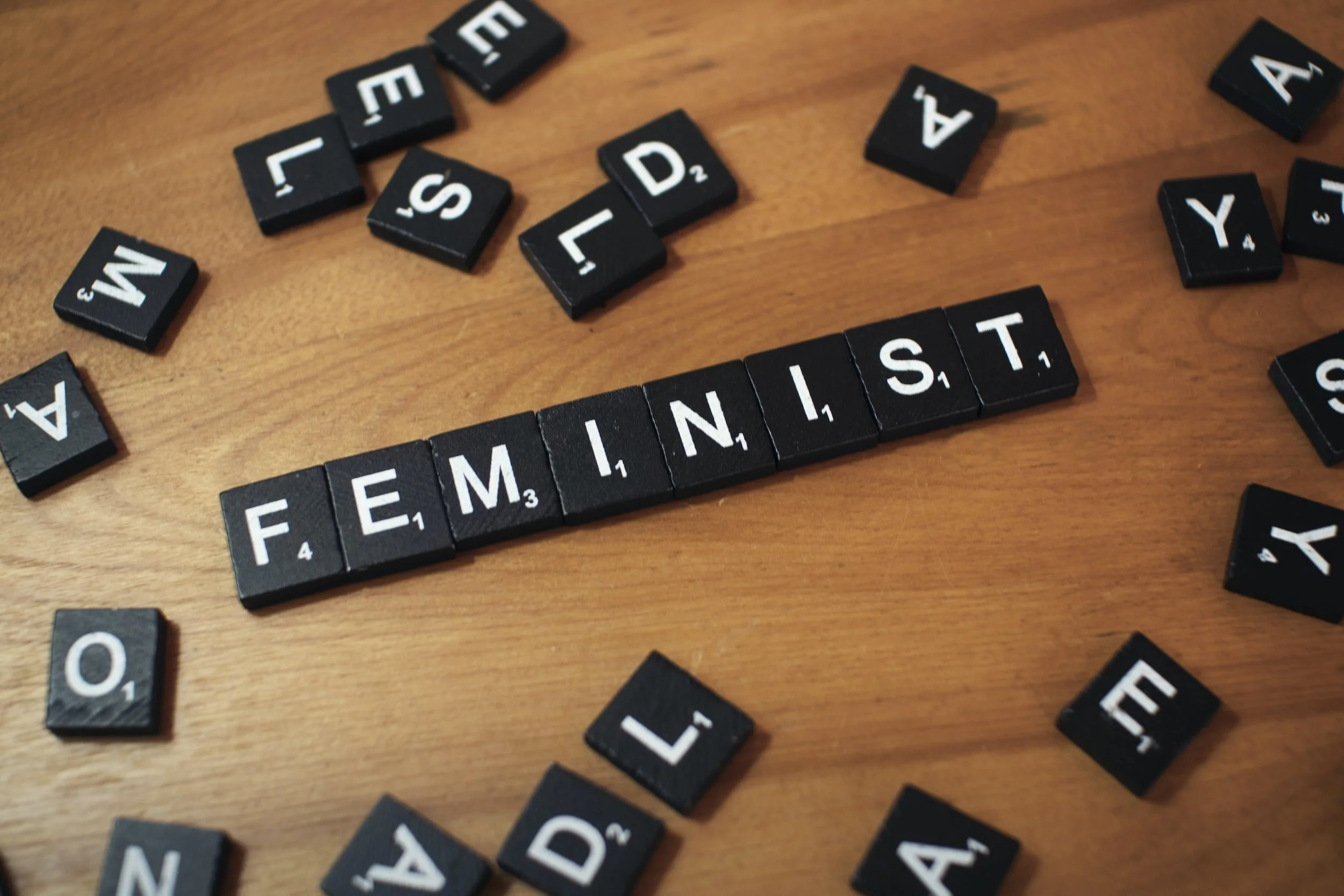
The Feminist Narrative About Marriage
Modern feminism teaches women to see marriage as a trap. A loss of freedom and a power imbalance where the woman must constantly guard herself, protect her independence, and stay emotionally detached “just in case.” You hear things like:
“Never rely on a man.”
“Marriage benefits men more than women.”
“Love fades; protect yourself.”
“Don’t give too much; you’ll regret it.”
“Men always disappoint.”
This advice assumes that marriage is inherently unsafe for women and that men are liabilities. It warns that being soft is foolish, and your sacrifices are a weakness.
But Islam does not frame marriage as a battlefield. Allah SWT describes marriage as sakinah (tranquility/peace), mawaddah (love/affection), and rahmah (mercy/compassion). Marriage in Islam is a companionship and a protection for both men and women.
"And among His signs is that He created for you mates from among yourselves, that you may find tranquility in them, and He placed between you affection and mercy. Indeed in that are signs for a people who give thought." (30:21)
When advice trains a woman to enter marriage with suspicion instead of trust, she doesn’t become strong; she becomes guarded. And guarded hearts struggle to love.
The Bitter Wife’s Advice
Then there is another voice. It is more subtle, more emotional, and often more persuasive—the bitter wife.
She may be divorced, unhappily married, or emotionally wounded. She speaks from experience, but unhealed experience. Her pain has turned into a worldview, and her advice sounds like this:
“Men never change.”
“Lower your expectations, and you’ll be happier.”
“Marriage drains you.”
“Don’t do what I did.”
“Love is overrated.”
Her tone is rarely soft, and there’s sarcasm, eye-rolling, and a sense of superiority for having “learned the hard way.” But pain that hasn’t been processed doesn’t become wisdom; it becomes projection. Not every failed marriage is proof that marriage itself is flawed.
Warning Signs: Who Not to Take Marriage Advice From
Not every woman who speaks confidently is wise. Here are some signs to pause and step back:
She constantly mocks men or husbands. A woman who speaks with contempt has likely lost respect somewhere along the way. Contempt doesn’t guide, it infects.
She frames marriage as survival, not worship. If her advice is rooted only in control, exit plans, and emotional distancing, something is off.
She discourages softness and femininity. Islam honors gentleness, so anyone who teaches you to harden your heart is not guiding you toward peace.
She speaks from resentment, not reflection. Wisdom sounds calm, and healed people don’t sound bitter.
She dismisses Islamic guidance as “unrealistic.” Any advice that sidelines Allah’s design in favor of fear-based logic should be questioned.
What This Advice Does to Women
This kind of advice trains women to:
Fear vulnerability
Expect disappointment
Withhold affection
Keep score
See marriage as a loss instead of a blessing
And then we wonder why so many women feel anxious, guarded, and unsatisfied, even before marriage begins. A heart that enters marriage already braced for pain cannot fully receive love.
The Islamic Alternative: Balanced, Rooted Wisdom
Islam does not ask women to be foolish. It asks us to be intentional. Islam teaches us to:
Choose wisely, not fearfully
Trust Allah, not fantasies
Set boundaries without building walls
Be soft without being weak
Be patient without tolerating injustice
A good marriage is not built on feminist suspicion or bitter warnings. It is built on taqwa, emotional maturity, good communication, and shared values. Marriage is an act of worship. That means it requires effort, humility, repentance, and growth on both sides.
Solutions: What to Do Instead
Seek advice from women who are:
Emotionally regulated
Spiritually grounded
Honest without being hostile
Married with reflection, not denial
Divorced/widowed but healed, not resentful
Anchor your understanding of marriage in the Qur’an and Sunnah and not from social media narratives. Work on your own heart before demanding perfection from a spouse.
Learn the difference between red flags and normal human flaws. And most importantly, don’t let other people’s pain rewrite Allah’s design.
Marriage is not a prison, and it is not a fairy tale either. It is a path that can lead to deep tranquility when entered with wisdom, faith, and a sound heart. Not every voice deserves access to your future, so choose carefully who you allow to shape your understanding of love.
May Allah SWT guide us and protect us from bad friends and evil people, and surround us with pious Muslims, ameen.
Salaam, I’m Zakeeya
I believe our homes are meant to be havens of sakina—places where families feel safe, nurtured, and loved. Since 2011, I’ve been dedicated to helping Muslim women find tranquility in their roles, care for themselves with dignity, and achieve inner peace. Drawing on my years of experience as a wife, mother, and mentor, I share tools and guidance to help you face life’s challenges with more gratitude and mindfulness. Here, you’ll find Muslima, wifehood, motherhood, and lifestyle insights to make your journey as a woman more fulfilling, inshallah. Read more about me here.
Get Support For Your Struggles

You don’t need to suffer alone
Life’s tough, but so are you. You simply need direction and help from someone experienced, empathetic, and understanding.