Why Some Muslim Women Become Feminists
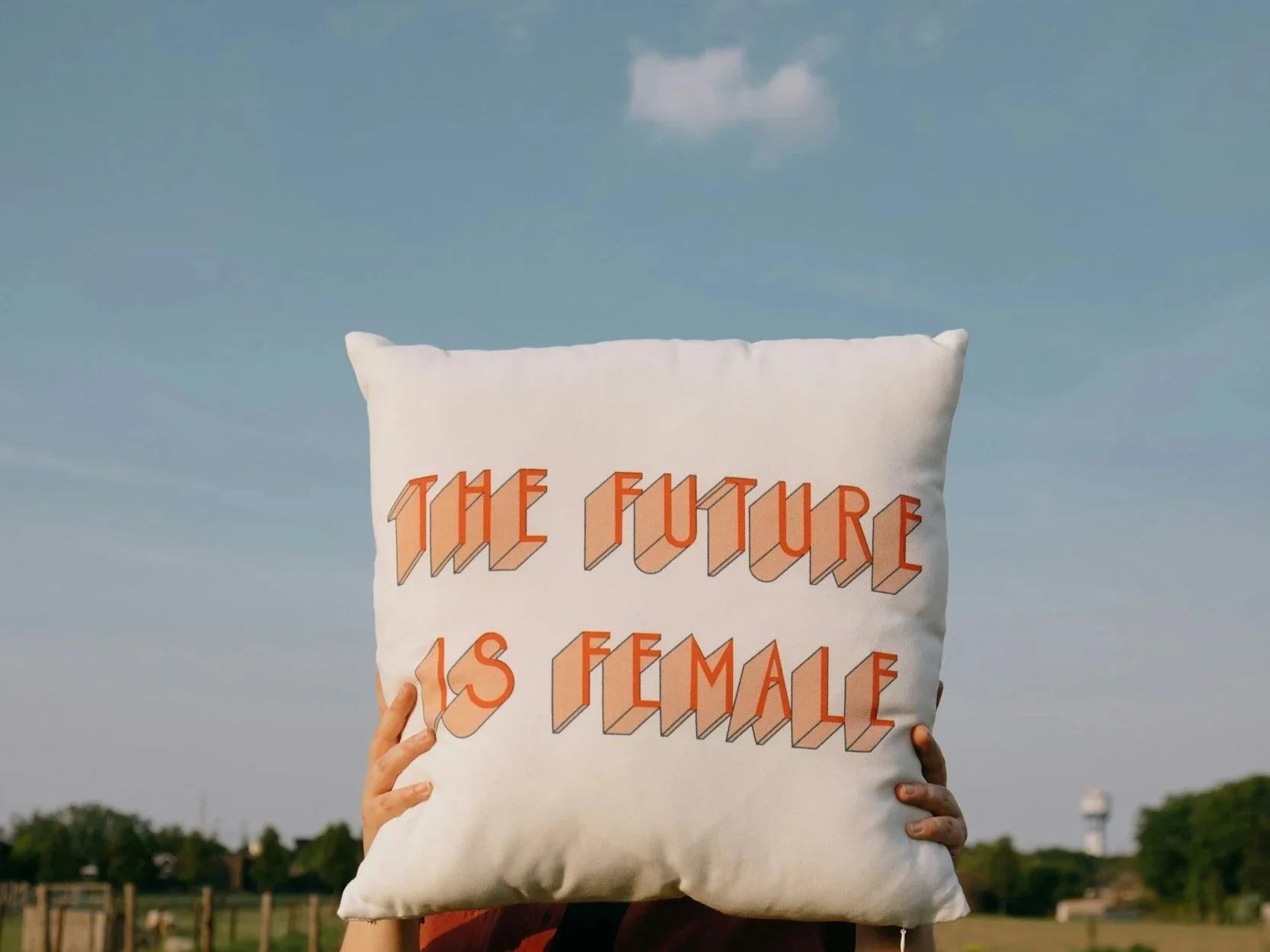
Over the years, I have seen many kind, intelligent, well-meaning Muslim women behave very feministic. Not because they hated Islam or disliked being Muslim, but because they wanted to rebel. Most of them were sincere and searching for answers, and some of them were quietly wounded.
For many Muslim women, feminism does not begin as a political movement. It begins as a response to pain, confusion, fear, ignorance, or absence of iman.
Below are some of the patterns I have personally observed over the years on why some Muslim women become feminists.
Raised by a Feminist Mother or a Mother Who Did Not Understand Men
Many Muslim women who adopt feminist ideas were raised by mothers who themselves carried feminist beliefs or deep misunderstandings about men. When a daughter grows up hearing constant warnings about how men are oppressive, dangerous, or unreliable, fear becomes her foundation.
Men are framed as a threat rather than a test, a responsibility, or a trust from Allah. By the time she reaches adulthood, she has already internalized suspicion and defensiveness, even if she has never personally been harmed.
2. Raised by a Resentful Mother Living Through Her Daughter
Some women were raised by mothers who were deeply ungrateful or resentful about their own lives. Mothers who felt stuck in marriage, overwhelmed by motherhood, or disappointed by unfulfilled dreams.
Instead of healing, they projected their regrets onto their daughters. These daughters were warned repeatedly not to “end up like me,” as if womanhood itself were a trap. Motherhood was portrayed as loss, marriage as limitation, and men as obstacles to happiness.
3. Raised Without a Strong Islamic Foundation
Many women were raised with Islam as a culture rather than a religion. Prayer and modesty were a choice. Knowledge of Islam was meaningless for success. The deeper wisdom of gender roles, fitrah, and divine balance was never taught.
In its place, material success became the standard of worth. Academic achievement, career success, independence, and financial freedom were presented as the ultimate goals. Feminism easily fills the vacuum when Islam is not lived deeply or understood correctly.
4. Witnessing Abuse by Fathers or Brothers
Some women saw abuse firsthand—physical, emotional, verbal, or psychological. They watched their mothers endure harm, or they themselves were harmed by fathers or brothers who misused authority.
Unresolved trauma reshapes belief systems. Feminism often becomes a shield, a vow that says, “This will never happen to me,” or “I will never be treated like this ever again.” Instead of healing through Islam, boundaries, and accountability, ideology steps in to promise safety.
5. Only Seeing Bad Examples of Men
Many women grew up surrounded by dysfunctional male figures: cheaters, abusers, and emotionally absent husbands. These examples formed their understanding of men entirely.
But these situations were often seen through a narrow lens. They did not see the full marital dynamic, the private struggles, the spiritual neglect, or the long history leading to the breakdown. Partial information becomes a permanent belief when it goes unchallenged.
6. Harm from Haram Relationships
This reason is rarely addressed honestly. Many women who adopt feminist ideas were deeply hurt through relationships that occurred outside of marriage.
When emotional or physical intimacy happens outside Allah’s boundaries, it almost always results in imbalance and heartbreak. Being used, abandoned, or betrayed creates wounds that feminism later reframes as empowerment rather than injury. The root cause remains unhealed.
7. Never Seeing a Healthy Islamic Marriage
Some women never witnessed tenderness between spouses. No affection, no mercy, and no teamwork. Only arguments, silence, or survival.
When dysfunction becomes normal, Islamic marriage appears unrealistic or oppressive. Feminism then seems logical because it offers an alternative narrative to what was experienced at home.
8. Being Taught Islam in a Harsh or Cultural Way
Some women were introduced to Islam through control, fear, or cultural misogyny rather than mercy and wisdom. Religion was presented as a restriction instead of a protection.
When Islam feels heavy rather than healing, feminism offers emotional relief. It promises dignity without submission, not realizing that true dignity comes from submitting to Allah, not resisting Him.
9. Lack of Emotional Safety with Men
Some women never felt emotionally safe with men. Their fathers were distant, critical, or absent. Their brothers were harsh or dismissive.
Trust was never formed, and being vulnerable felt dangerous. Feminism becomes a way to avoid dependence altogether, even healthy dependence on Allah’s design for companionship.
10. Being Praised Only for Strength, Not Softness
Many girls were raised to be “strong” at all costs. Independence, toughness, and self-reliance were praised, while softness and emotional needs were discouraged or mocked.
Over time, needing no one becomes an identity. Feminism validates this armor, even though fitrah calls women toward balance, not isolation.
11. Wanting Dignity, Safety, and a Voice
At its core, many women turned to feminism because they wanted dignity, safety, and respect. When these needs are not met within families or communities, they seek them elsewhere.
Feminism provides language, validation, and belonging—even if its solutions conflict with divine wisdom. The desire itself is not wrong. The direction is.
12. The Deeper Truth
Most Muslim women who become feminists are not trying to reject Islam. They are reacting to the absence of Islam as it was meant to be lived.
Islam protects women through balance, responsibility, mercy, and divine order. Feminism promises protection through opposition, control, and resistance. One heals the heart. The other hardens it.
Our response should never be mockery or dismissal. It should be clarity, compassion, and a return to living Islam properly, starting in our homes.
When women trust fully in Allah SWT and understand their deen, they do not need armor made by false ideologies that were never meant to save women or make them thrive.
If you loved this post and want to learn more, read What Islam Gives Women That Feminism Never Can.
Salaam, I’m Zakeeya
I believe our homes are meant to be havens of sakina—places where families feel safe, nurtured, and loved. Since 2011, I’ve been dedicated to helping Muslim women find tranquility in their roles, care for themselves with dignity, and achieve inner peace. Drawing on my years of experience as a wife, mother, and mentor, I share tools and guidance to help you face life’s challenges with more gratitude and mindfulness. Here, you’ll find Muslima, wifehood, motherhood, and lifestyle insights to make your journey as a woman more fulfilling, inshallah. Read more about me here.
Get Support For Your Struggles

You don’t need to suffer alone
Life’s tough, but so are you. You simply need direction and help from someone experienced, empathetic, and understanding.