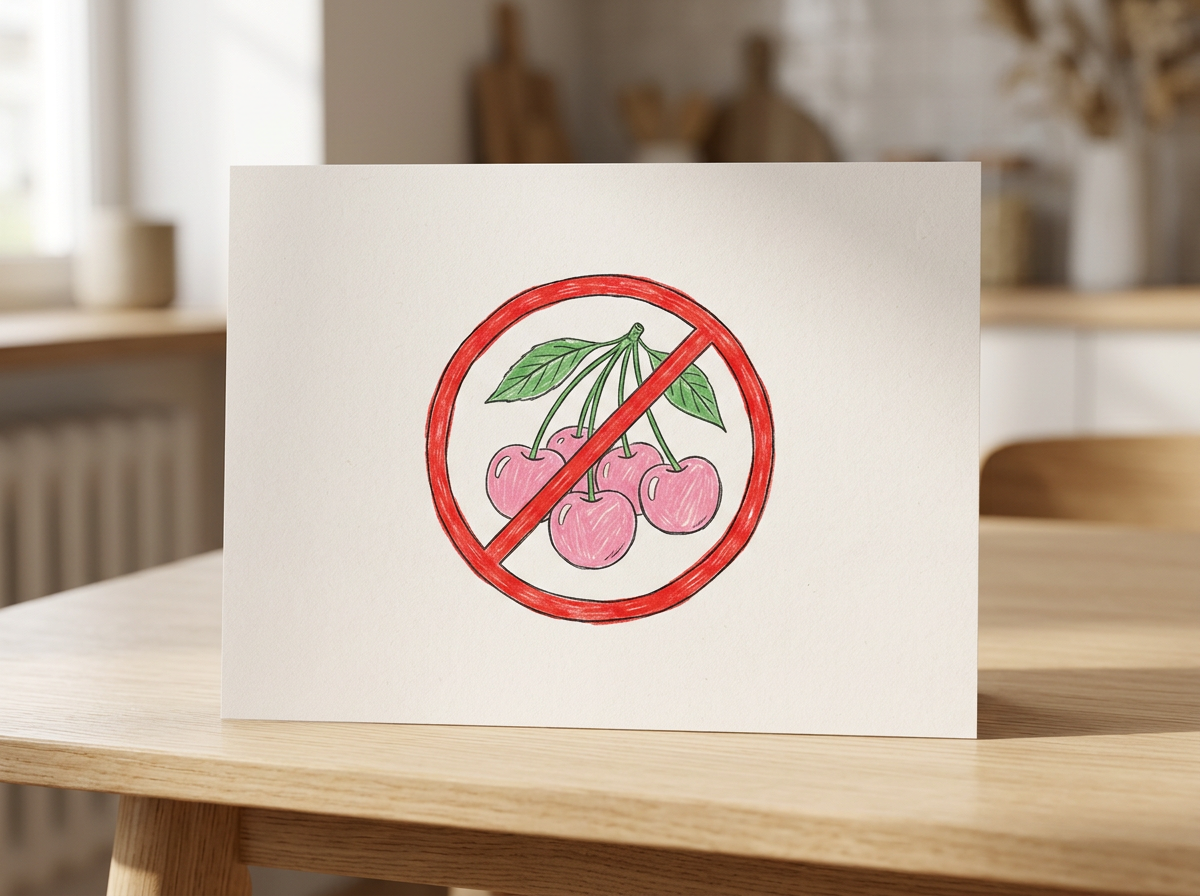
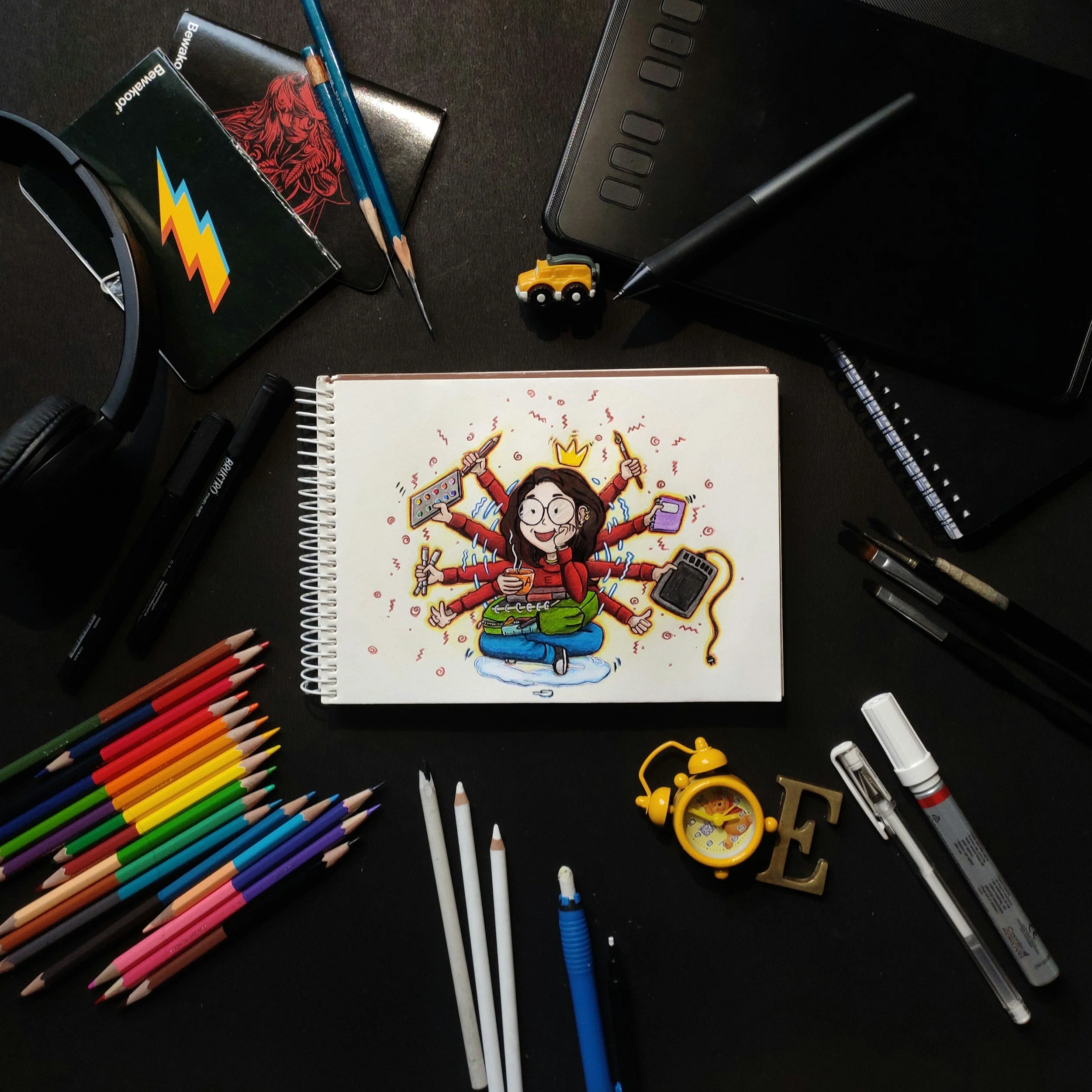
The Burden of Being an Overachieving Woman
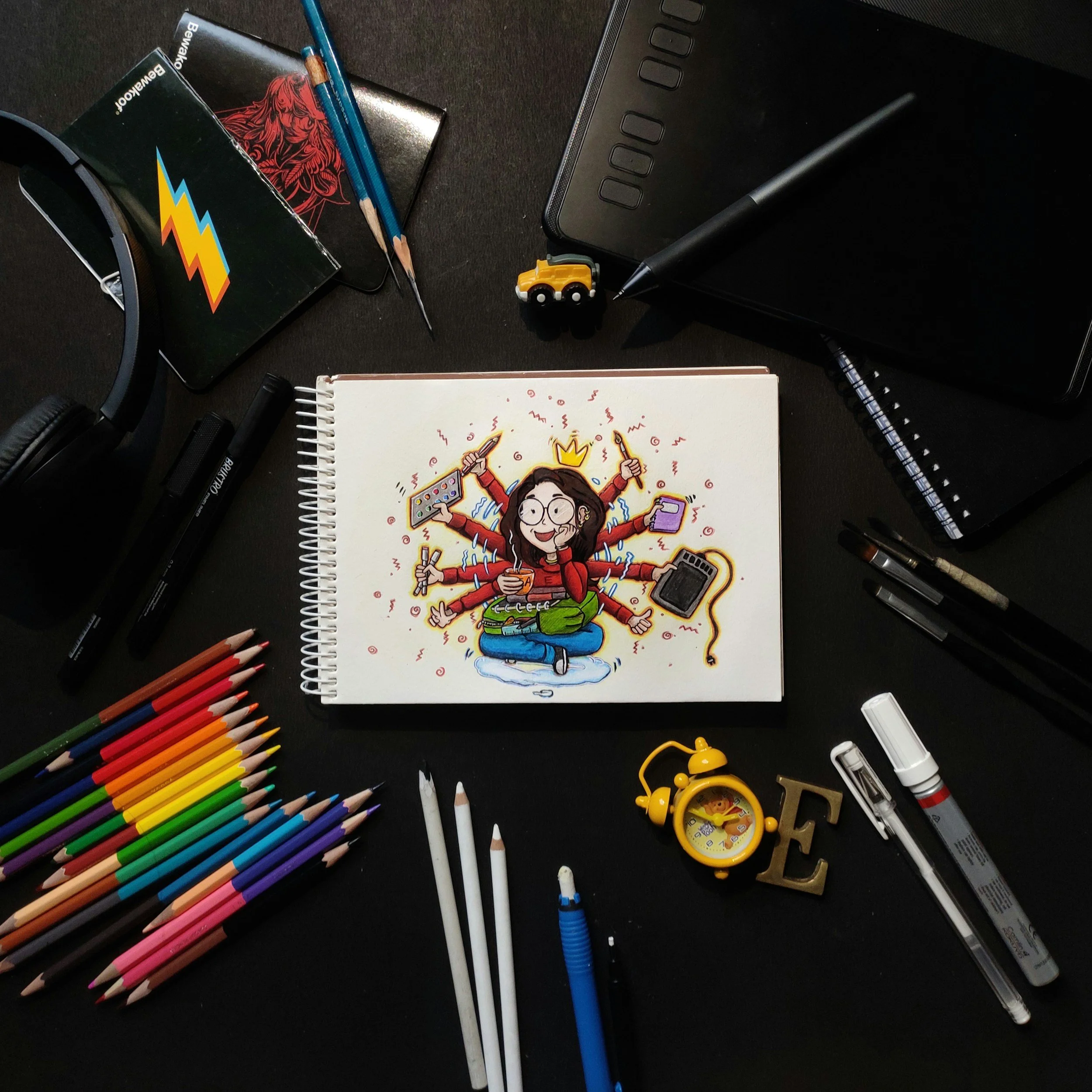
One thing I’ve noticed again and again when working closely with women is this strange, exhausting hill many of us insist on climbing: overachievement at all costs.
I see women who are pregnant, sick, emotionally drained, or hormonally depleted. Women who are homeschooling their children, caring for elderly parents, supporting extended family, working outside the home, running households, nurturing marriages, and still somehow believing they should perform exactly as they did years ago—before their lives multiplied in responsibility.
And when they can’t, they are unkind to themselves. They don’t offer grace. They don’t slow down. They don’t adjust expectations.
Instead, they berate themselves harshly, as if struggle is a personal failure rather than a natural consequence of carrying more weight.
This mindset is not strength, it’s blindness.
Pregnancy alone changes a woman’s entire biology. Hormones shift, energy drops, and the body diverts resources to growing life inside. Illness drains capacity. Emotional labor drains focus. Motherhood reshapes time. Caregiving consumes reserves. None of this is imaginary, and none of it is a weakness.
Yet many women feel frustrated, ashamed, or guilty for having limits. Why? Because somewhere along the way, we absorbed the idea that worth is measured by output. That if we can’t do everything, something must be wrong with us.
But Islam does not teach this.
Allah created us with seasons, limits, cycles, and changing capacities. He did not design women to operate like machines with a constant output regardless of circumstance. Even acts of worship change based on ability. Prayer changes when one is sick or travelling. Fasting is postponed when one is pregnant or nursing. Responsibility is always tied to capacity. Allah says:
“Allah does not burden a soul beyond what it can bear.” (Qur’an 2:286)
Yet many women burden themselves far beyond what Allah ever asked of them. This is where the issue quietly slips into something deeper: pride. Not pride in the loud, arrogant sense, but a subtle pride that says:
“I should be able to do this.”
“I shouldn’t need rest.”
“I shouldn’t need help.”
“I shouldn’t slow down.”
There is a lack of awareness here—of the body, of reality, of Divine mercy. Humility is recognizing our limits without shame. It is acknowledging that we are servants, not saviors. That we are human, not superheroes. That our value does not rise and fall with productivity.
A woman who rests when her body needs rest is not lazy. A woman who adjusts her pace during pregnancy is not weak. A woman who simplifies her life when overwhelmed is not failing. She is responding to reality with wisdom.
The tragedy is not that women can’t do everything. The tragedy is that they think they’re supposed to.
Overachievement may look noble on the outside, but inside it often leads to burnout, resentment, physical breakdown, spiritual dryness, and deep self-criticism. None of these bring us closer to Allah SWT.
Sometimes the most faithful thing a woman can do is slow down, recalibrate, and accept that her current season requires gentleness, not pressure, because:
You are allowed to change.
You are allowed to need less.
You are allowed to do fewer things well instead of everything poorly.
You are allowed to rest without guilt.
Allah sees effort, not performance. He sees intention, not output. He sees struggle, even when nothing “productive” gets done. The hill of overachievement is steep, exhausting, and unnecessary.
How to Step Off the Over-Achievement Hill
1. First, have awareness
Pause and actually look at the whole picture of your life, not just the part that feels behind. Ask yourself what has been added to your plate in this season—pregnancy, illness, children, caregiving, emotional stress—and acknowledge it honestly. Ignoring reality does not make you stronger; it makes you harsher with yourself.
2. Reconnect your effort with intention, not outcome
In Islam, reward is tied to sincerity and striving within one’s ability, not to visible productivity. Remind yourself often that showing up gently still counts. Resting with the intention of preserving your health and fulfilling your responsibilities better later is also an act of worship.
3. Practice adjusting expectations instead of clinging to old ones
You are not the same woman you were before children, before illness, and before added responsibilities, and that is not a loss. It is growth. Each season requires its own pace. Holding yourself to an outdated version of your life is a form of self-oppression.
4. Let go of the pride that says you should be able to do it all alone
Needing help, slowing down, or simplifying does not mean you are failing; it means you understand your limits. Humility is not thinking less of yourself; it is thinking accurately about yourself.
5. Speak to yourself with the same mercy you would offer another woman in your situation
If you wouldn’t shame a pregnant sister, a sick friend, or an overwhelmed mother, don’t shame yourself. Allah is Gentle, and He loves gentleness in our dealings with others and with our own souls.
Overachievement loses its grip when a woman chooses honesty over pressure, humility over pride, and mercy over self-punishment. And that choice, in itself, is a form of strength.
Salaam, I’m Zakeeya
I believe our homes are meant to be havens of sakina—places where families feel safe, nurtured, and loved. Since 2011, I’ve been dedicated to helping Muslim women find tranquility in their roles, care for themselves with dignity, and achieve inner peace. Drawing on my years of experience as a wife, mother, and mentor, I share tools and guidance to help you face life’s challenges with more gratitude and mindfulness. Here, you’ll find Muslima, wifehood, motherhood, and lifestyle insights to make your journey as a woman more fulfilling, inshallah. Read more about me here.
Get Support For Your Struggles

You don’t need to suffer alone
Life’s tough, but so are you. You simply need direction and help from someone experienced, empathetic, and understanding.