How to Perform a 3-Day I'tikaf at Home: A Guide for Muslimas

If you haven't already, I'd encourage you to read my first post, A Simple Guide to I'tikaf for Women, where I cover the meaning, types, and fiqh of i'tikaf in detail. This post is the practical companion to that one — a step-by-step guide to actually doing a 3-day i'tikaf at home, inshallah.
Three days is a beautiful entry point for women who want to experience i'tikaf without the pressure of committing to the full ten days. It's enough time to truly detach from the dunya, feel the sweetness of being in Allah's presence, and return to your daily life with a renewed heart. Whether you choose to do it in Ramadan or any other time of year, this guide will walk you through everything you need, inshallah.
Why 3 Days?
The Prophet SAW said:
"Whoever offers i'tikaf, Allah lays three barriers between him and the Hell-fire…" (Bukhari)
There is no fixed minimum for nafl i'tikaf—even a few minutes on your prayer mat count. But three days give you enough time to settle into a rhythm of worship, shake off worldly distractions, and experience the true peace of seclusion with Allah SWT. It is an achievable goal for busy mothers and homemakers and a wonderful stepping stone toward the full sunnah i'tikaf of ten days.
Before You Begin: How to Prepare
A successful i'tikaf starts with preparation. Here is what to arrange before your three days begin:
1. Arrange your home responsibilities
Speak to your husband, older children, or a trusted family member about covering meals, childcare, and household duties for the three days. The sunnah i'tikaf is not expected of mothers due to the demands of their role, but with the right arrangements, it becomes very possible.
2. Get your husband's permission
For sunnah i'tikaf, a wife needs her husband's agreement. Have an open conversation with him about your intention and what support you will need. Most husbands, when they understand the reward, are very supportive, mashallah.
3. Set up your i'tikaf space
Choose a quiet room or corner of your home and dedicate it as your musalla for the three days. Set it up with everything you need:
Your prayer mat and Quran
A dhikr bead (tasbeeh)
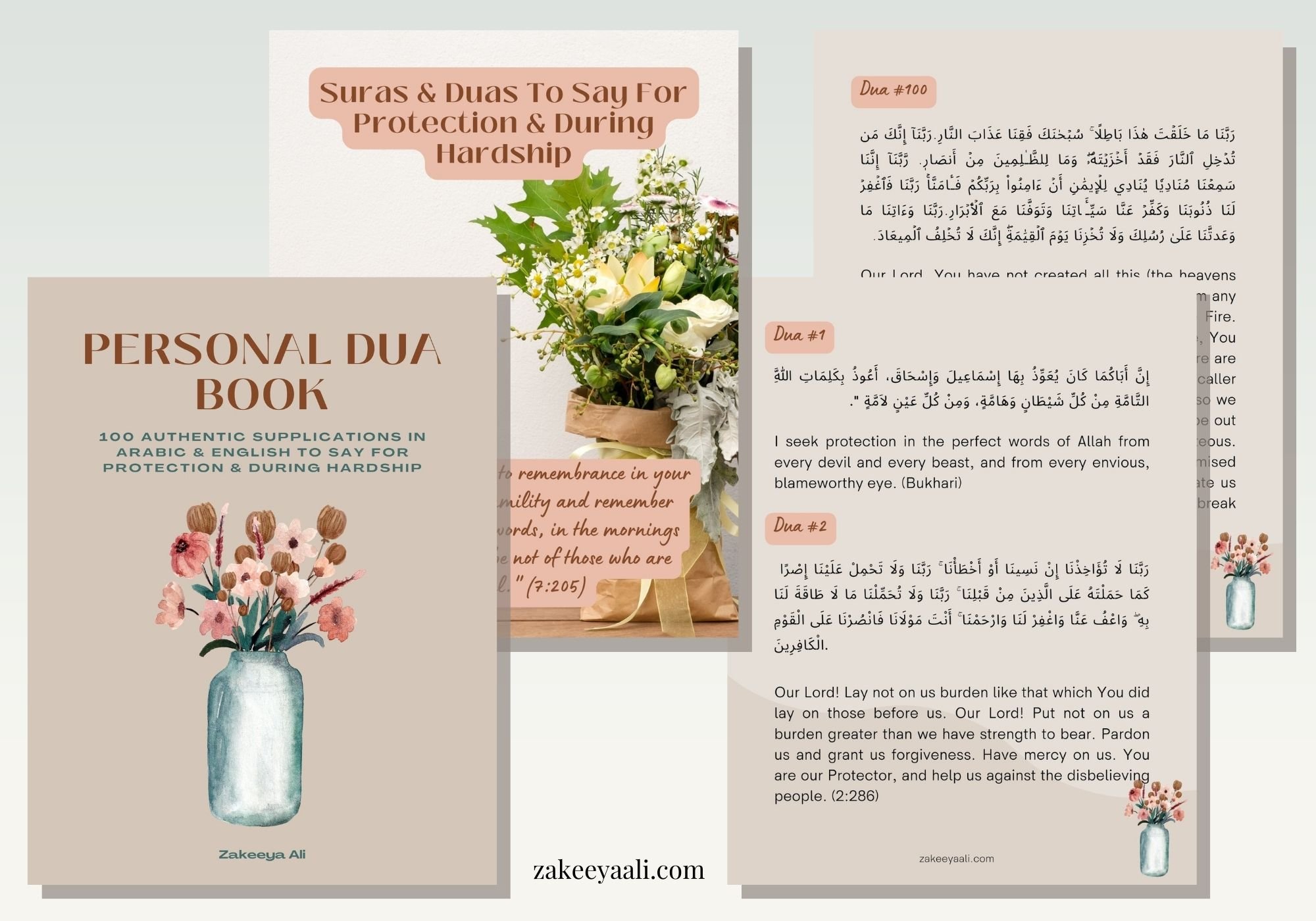
A dua book or printout of your favorite duas
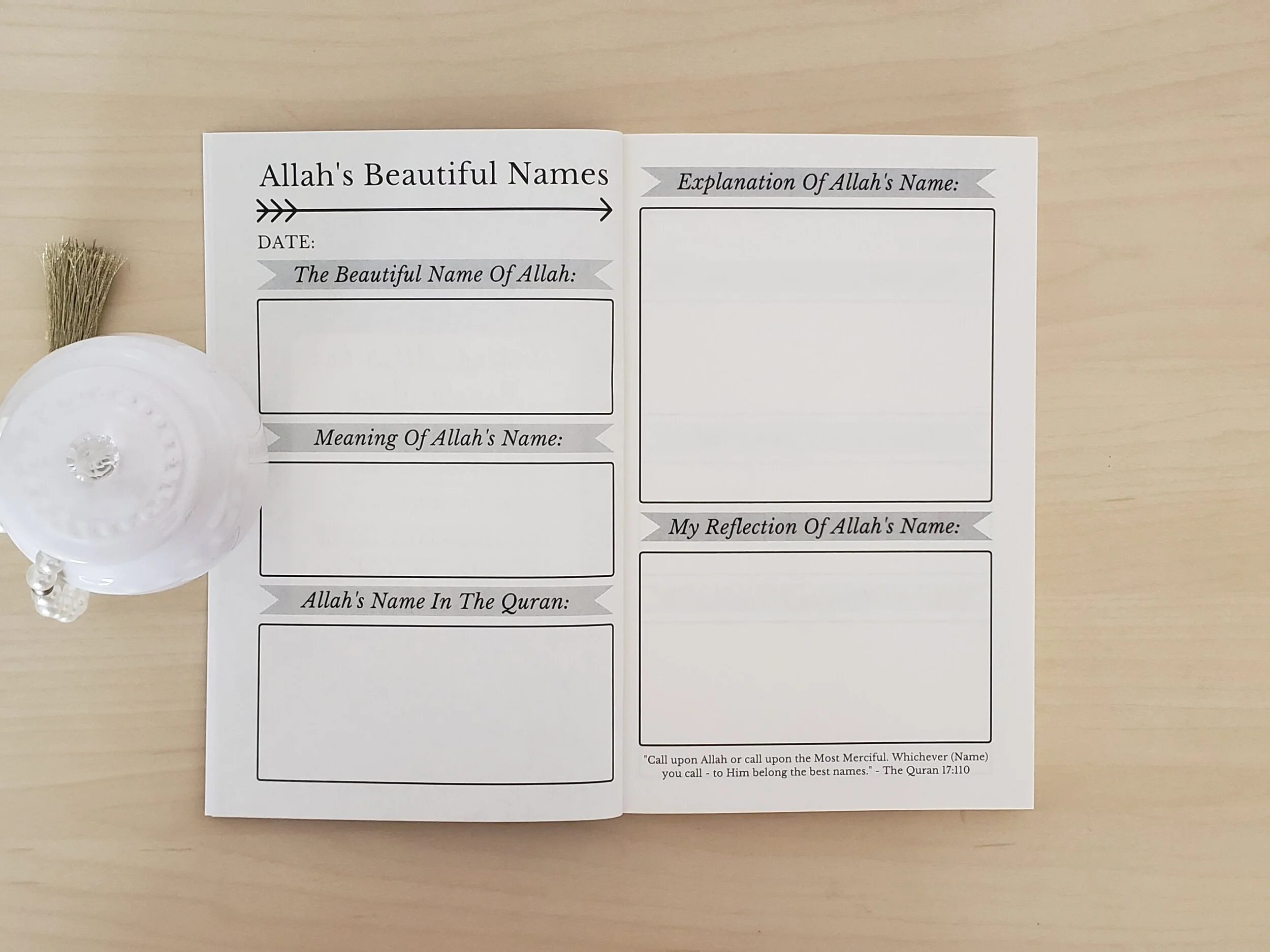
A journal for personal reflection and writing your own duas
A water bottle and light snacks so you don't need to leave often
Your phone on silent, with social media deleted for three days if possible
4. Make your intention (niyyah)
Before you begin, make a clear intention in your heart and on your tongue. You can say:
"I am performing three days of nafl i'tikaf for the pleasure of Allah SWT."
Day One: Settle In and Reconnect
The first day is about transitioning from the busyness of daily life into a state of worship. Your mind may wander, you may feel restless, and that is completely normal. Be patient with yourself.
After Fajr:
Begin your day with the morning adhkar. Recite Ayatul Kursi, the last two verses of Surah Al-Baqarah, and Surah Al-Ikhlas, Al-Falaq, and An-Nas three times each. These are from the Sunnah and a beautiful way to start your day under Allah's protection.
Morning:
Open your Quran and read with reflection. Don't rush through pages. Choose a surah you love, and sit with its meaning. Read the tafsir if you have it available. Even one page read deeply is worth more than ten pages read without the presence of heart.
After each Salah:
Say Subhanallah 33 times, Alhamdulillah 33 times, and Allahu Akbar 34 times. Then spend a few minutes in personal dua before you rise from your mat.
Afternoon:
This is a good time to listen to a short Islamic lecture or read from a book of Islamic knowledge. Some beautiful options are the Shama'il of Tirmidhi (descriptions of the Prophet SAW), Imam Al-Ghazali's works, or any book on the names of Allah SWT.
Evening:
Write in your journal. Reflect on the day. What did you feel? What did Allah bring to your heart? What duas are you carrying? Writing your duas is a powerful practice, as it brings focus and sincerity to your supplication.
Before Sleep:
Recite the evening adhkar and sleep with the intention of worship. Remember, when you are in i'tikaf, even your sleep is considered ibadah, subhanallah!
Day Two: Go Deeper
By day two, inshallah, the restlessness of day one has begun to settle. This is the day to go deeper in your worship and really pour your heart out to Allah SWT.
After Fajr:
Continue with your morning adhkar, then dedicate this time to istighfar. Say "Astaghfirullah" abundantly—at least 100 times. The Prophet SAW himself sought forgiveness more than 70 times a day, so imagine how much we need it!
Morning:
Continue your Quran reading. Try to complete at least one juz today. If that feels like too much, focus on quality over quantity and read whatever amount allows you to reflect.
After Dhuhr:
This is a wonderful time for salawat on the Prophet SAW. The Prophet PBUH said:
"Whoever sends blessings upon me once, Allah will send blessings upon him tenfold." (Muslim)
Sit and make salawat abundantly, feeling the love for our beloved Messenger SAW in your heart.
Afternoon:
Spend this time writing out your personal duas in your journal. Write duas for yourself, your husband, your children, your parents, your community, and the ummah. Be specific. Be vulnerable. Allah SWT loves when His servant turns to Him with a full and desperate heart.
Night—Qiyam ul Layl:
If you are able, wake in the last third of the night for tahajjud. Even two rakats with full presence of heart are incredibly powerful. Pour your duas out in sujood, this is one of the closest positions we can be to Allah SWT. If you haven't read my post on Tahajjud and Qiyam ul Layl, it's a wonderful companion for this night inshallah.
Day Three: Seal It With Gratitude and Intention
The final day is about gratitude, reflection, and setting your intentions for the life you return to after i'tikaf.
After Fajr:
Begin with shukr. Spend time simply thanking Allah SWT for your faith, your family, your health, and your ability to worship. Gratitude opens the doors of increase, as Allah SWT tells us in the Quran:
"If you are grateful, I will surely increase you." (Ibrahim: 7)
Morning:
Complete your Quran reading for the three days. Make dua that Allah SWT places barakah in what you have read and makes it a light for you on the Day of Judgment.
After Dhuhr:
This is a good time to pray Salatul Haja, the prayer of need. Bring your most pressing duas to Allah SWT with full trust that He hears you. You can read more about how to pray it in my post on Salatul Haja.
Afternoon:
Sit with your journal and write your intentions for after i'tikaf. What habits do you want to carry forward? Which acts of worship do you want to maintain? What do you want to change in your daily life? I'tikaf is not just about the three days; it is a reset button for your entire spiritual life.
Before You End Your I'tikaf:
Make a long, heartfelt dua. Thank Allah SWT for giving you the tawfiq to perform this act of worship. Ask Him to accept it from you, to forgive your shortcomings during it, and to allow you to return to it again and again. Ameen.
What to Recite Throughout Your 3 Days
Here is a simple guide to fill your time with worship:
Morning and evening adhkar — recite daily without fail
Ayatul Kursi — after every fard salah
Surah Al-Ikhlas — reciting it three times equals the reward of reciting the entire Quran
Istighfar — Astaghfirullah, at least 100 times daily
Salawat — Allahumma Salli ala Muhammad, as abundantly as possible
La ilaha illallah — the best of dhikr, according to the Prophet SAW
Subhanallahi wa bihamdihi, Subhanallahil Adheem — two phrases beloved to Allah and light on the tongue
Common Concerns for Women
1. What if my children need me?
Nafl i'tikaf is flexible, so you can leave your space for genuine needs and return to it. The fiqh principle is that if something cannot be done completely, it should not be left completely. Do what you can, return when you are able, and trust that Allah SWT sees your effort and intention.
2. What if I get my period during i'tikaf?
According to some schools, a woman in hayd can sit in her designated prayer space, make wudu, and engage in dhikr for the time it takes to pray. Your i'tikaf is not wasted, so simply adjust your worship accordingly and continue making dua and dhikr.
3. Do I have to fast during my 3-day i'tikaf?
Fasting is only required for waajib i'tikaf. For nafl i'tikaf, it is not a condition, though fasting alongside it is a beautiful addition if you are able.
4. Can I do this outside of Ramadan?
Absolutely! The Prophet SAW performed i'tikaf in Shawwal as well. Any time of year is a good time to retreat to Allah SWT.
In Conclusion
Three days may seem small, but in those three days, you can transform your heart, deepen your connection with Allah SWT, and return to your life with a clarity and peace that only comes from true worship. I pray that Allah SWT grants every Muslima reading this the opportunity to experience the sweetness of i'tikaf, accepts it from us, and makes us among those who are drawn closer to Him through it. Ameen.
For a deeper understanding of the fiqh and meaning of i'tikaf, don't forget to read my first post: A Simple Guide to I'tikaf for Women.
Source of reference: The Spiritual Retreat — Seekers Guidance
Salam, I’m Zakeeya!
A Muslim wife, mother of six, author, and mentor dedicated to helping Muslimas find peace, purpose, and barakah in their everyday lives. Since 2011, I've been sharing practical Islamic guidance on wifehood, motherhood, homemaking, and spirituality to help women like you navigate life's challenges with more faith and less overwhelm. If this post resonated with you, I'd love to have you join our community and say salam, grab free Islamic resources in the Member Vault, and explore my books, journals, and mentoring—visit my About Page. May Allah bless your journey! 🤍
Make Your Ramadan Run Smoothly!
Get Your Guide to a Healthy Ramadhan, a 135-page guide including 100+ recipes for Ramadan, and The Ramadan Cookbook, a 70-page cookbook filled with healthier options for recipes with less badness and more goodness! Plus, when you buy one book, you’ll get 33% off the second book.


Do You Want to Instill Your Daily Dose of Dua?
Order my handy dua ebooks, which are available in an Arabic/English or English only version, and contain 100 authentic duas to say for protection and during hardship.