Meal Planning Ideas To Avoid Kitchen Overwhelm In Ramadan
I used to think “meal planning” meant writing a list of dinners. But Ramadan taught me that real meal planning is actually this:
Reducing decisions.
Preventing last-minute stress.
Feeding your family in a way that supports worship, sleep, and peace in the home.
So I am going to share a practical system that you can take what fits into your life and leave what doesn’t.
Step 1: Decide Your Ramadan Food Priorities
Before you plan meals, decide what you’re aiming for:
Easy digestion (so we can pray comfortably).
Steady energy (especially for kids who try fasting).
Less kitchen time (more time for ibadah and rest).
Low stress (no daily "What are we eating?” panic).
When priorities are clear, your meal plan becomes simpler automatically.
Step 2: Keep Suhoor on Auto (Not a Different Menu Every Day)
Suhoor doesn’t need variety; it needs consistency.
A sample suhoor template
Pick 1 from each category:
Hydration base: water + (optional) milk/laban/herbal tea
Slow energy: oats/whole-grain toast/brown rice/potatoes
Protein: eggs/yogurt/cottage cheese/beans
Fiber: fruit/cucumbers/veggies
Sunnah add-ons: dates, a little honey, olives/olive oil
You can repeat the same 2–3 suhoor combinations all week. That is not boring; that is peace, and how most people ate in the past.
Example suhoor rotations
Suhoor A: oats + yogurt + honey + berries + water
Suhoor B: eggs + whole grain toast + cucumbers + dates + water
Suhoor C: bean bowl + rice + olive oil + fruit + water
Step 3: Plan Iftar in Layers (So You’re Not Planning 30 Full Dinners)
Instead of planning complicated dinners, plan layers:
Layer 1: Break-fast (always the same)
dates + water (then pray maghrib if that’s your practice)
Layer 2: A gentle starter (choose 3 for the week)
soup
fruit bowl
simple salad
yogurt/laban
Layer 3: Main plate (keep it formula-based)
Pick:
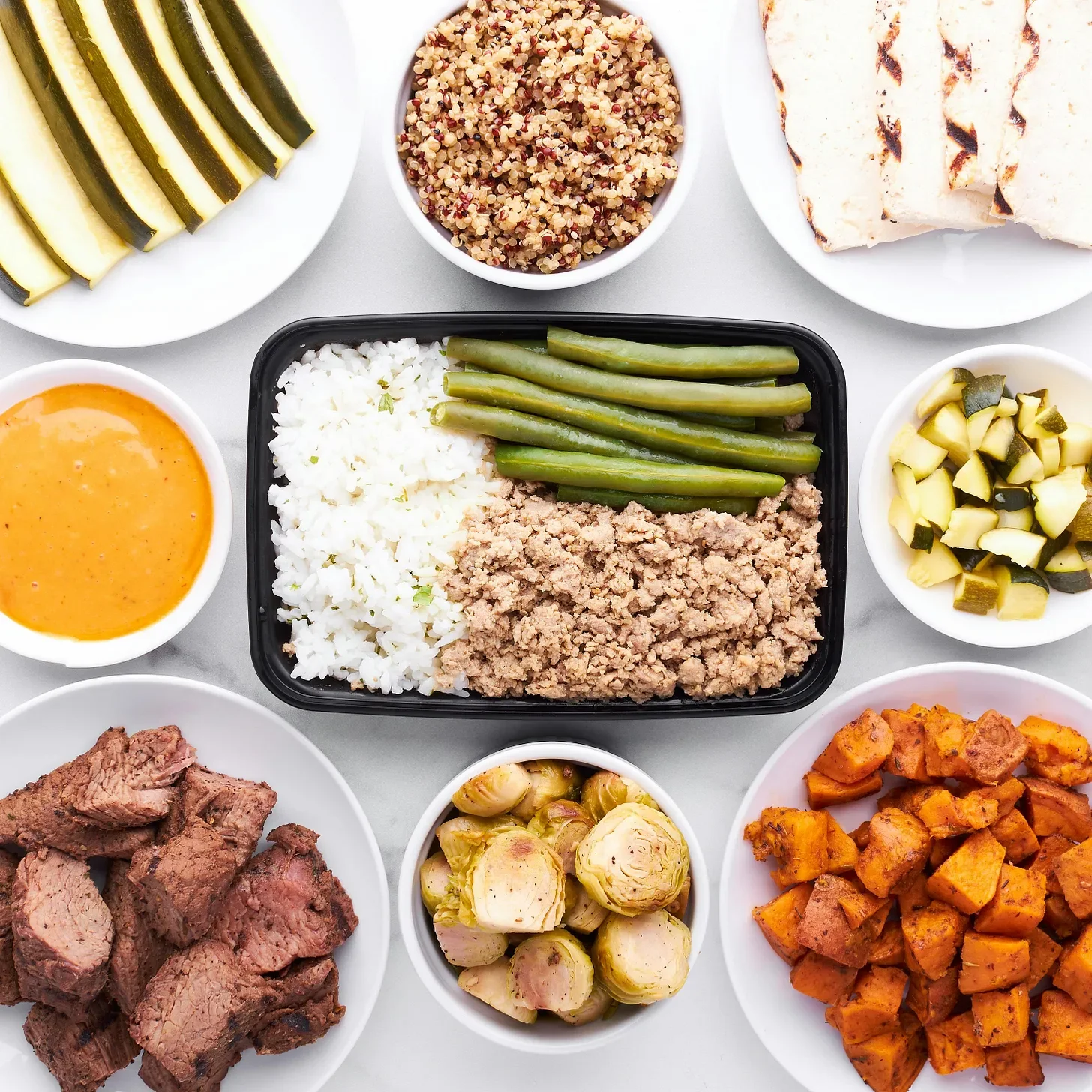
Protein + starch + vegetable
That’s it. You don’t need a new recipe; you need a repeatable formula.
Step 4: Use “Theme Nights” to Remove Decisions
Theme nights make planning easy and keep your family satisfied because meals feel familiar.
Example weekly theme set:
Mon: Soup and savories night
Tue: Protein rice bowl night
Wed: Wraps or sandwiches night
Thu: Pasta or noodles night
Fri: Family favorite night
Sat: Guest-friendly meal or “big pot” night
Sun: Buy food or leftover night (because you’re tired)
You can also use a cuisine theme option, which is something I do even outside of Ramadan, like: Taco Tuesdays, Fish Friday, Mexican Monday, Spanish Sunday, etc.
Themes give structure without making you rigid.
Step 5: Make a “Ramadan Favorites Master List”
This is the biggest time-saver. Write 10–14 meals your family already eats (I do this year-round).
Example master list (adjust to your home)
chicken + rice + veg
keema + roti + salad
lentil soup + pakoras
fish + potatoes + salad
chickpea curry + rice
pasta + salad
egg plates + bread + fruit
shawarma-style bowls
vegetable or meat stew
ground beef + beans + rice
Now, when you plan, you’re not inventing meals. You’re selecting from your list. You can rotate 10 meal ideas, 3 times a month, to make 30 days. Or, you can make 14 meal ideas and rotate them every 2 weeks to make 28 days, and the other 2-3 days are leftovers or for eating out.
Step 6: Plan Around Your Real Week (Not an Ideal One)
Look at your week realistically:
Which day is the busiest?
Which day are you most tired?
Which day might you host guests?
Which days do your kids have activities?
Which days are masjid nights?
Put your easiest meals on your hardest days, because that is wisdom, not a lack of effort.
Step 7: Write the Plan in a Clean, Simple Format
You want something you can glance at while tired. Use a highlighter and sticky notes if it helps you focus better. Add it to your fridge or put it in a standing frame on the kitchen counter.
Examples (So You Can See What This Looks Like)
Sample Week 1
Suhoor rotation: A / B / A / C / B / A / C
Mon: soup + bread | main: chicken + rice + veg
Tue: salad | main: chickpea curry + rice
Wed: fruit | main: wraps (protein + salad inside)
Thu: yogurt | main: pasta + side salad
Fri: soup | main: family favorite meal
Sat: salad | main: guest-friendly meal
Sun: fruit | main: light plates (eggs/beans + bread + veg)
Sample Week 2
Suhoor rotation: B / A / C / A / B / C / A
Mon: soup | main: fish + potatoes + veg
Tue: salad | main: rice bowls (protein + toppings)
Wed: fruit | main: sandwiches/wraps night
Thu: yogurt | main: noodles or pasta night
Fri: soup | main: family favorite
Sat: salad | main: big pot meal
Sun: fruit | main: light plates again
Notice: nothing fancy. Just consistent and nourishing.
Step 8: Plan Your “Extras” So They Don’t Control the Month
A lot of Ramadan stress comes from the extras, not the meals.
Choose what you will do on purpose:
Dessert: 2–3 days a week, not daily
Fried foods: occasionally, not as the base
Special Ramadan treats: schedule them (so they don’t become expectations every night)
This protects your time, your budget, and your energy.
Step 9: Make Meal Planning a Family System (Not a Mom Burden)
Meal planning becomes peaceful when the home participates.
Simple delegation:
One child sets dates/water.
One child handles salad/fruit.
All kids help set and clear the table.
Your husband gives 1-2 meal ideas, or if he likes to cook or BBQ, that’s great!
Older kids cook some days.
Ramadan is training for everyone, not just mothers.
Remember, Dear Mom
A calm Ramadan meal plan is not the one with the most variety. It’s the one that helps you worship with less stress, keeps your family fed, and keeps your heart steady. Simple food and clear decisions for barakah in the home, inshallah.
Get the Ramadan Planner free as a member during the month of Ramadan by Subscribing!

Salam, I’m Zakeeya!
A Muslim wife, mother of six, author, and mentor dedicated to helping Muslimas find peace, purpose, and barakah in their everyday lives. Since 2011, I've been sharing practical Islamic guidance on wifehood, motherhood, homemaking, and spirituality to help women like you navigate life's challenges with more faith and less overwhelm. If this post resonated with you, I'd love to have you join our community and say salam, grab free Islamic resources in the Member Vault, and explore my books, journals, and mentoring—visit my About Page. May Allah bless your journey! 🤍
Make Your Ramadan Run Smoothly!
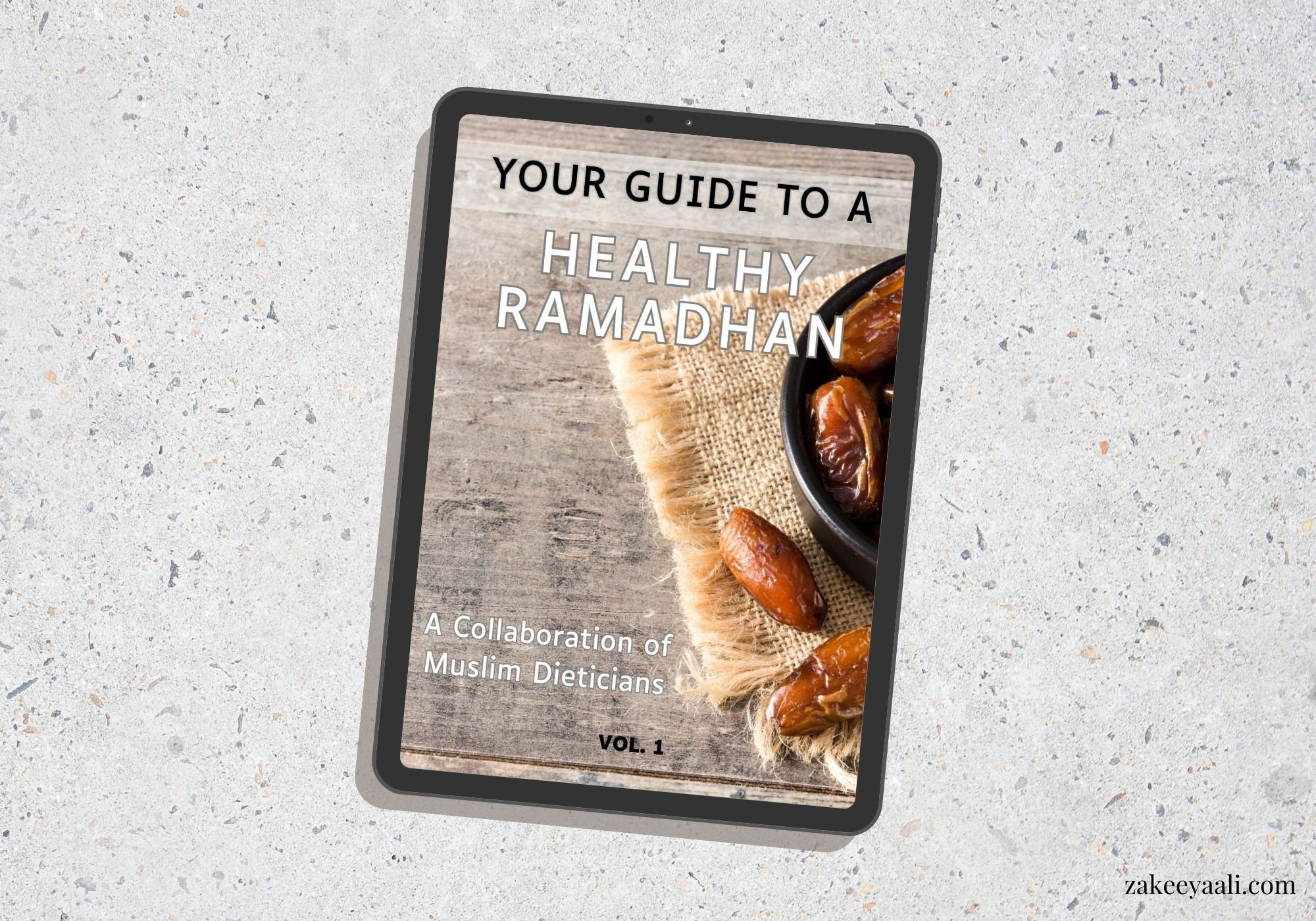
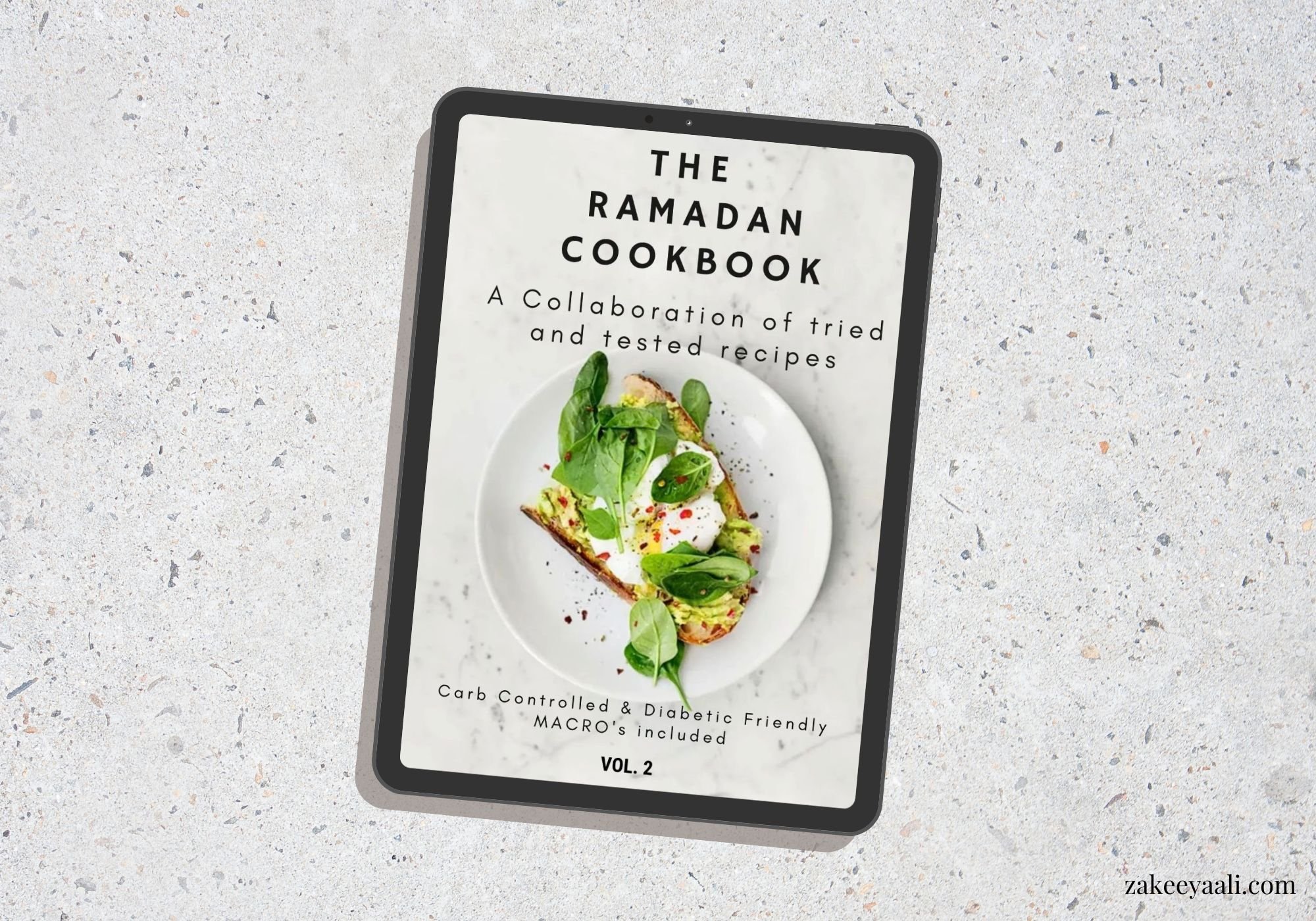
Get Your Guide to a Healthy Ramadhan, a 135-page guide including 100+ recipes for Ramadan, and The Ramadan Cookbook, a 70-page cookbook filled with healthier options for recipes with less badness and more goodness! Plus, when you buy one book, you’ll get 33% off the second book.