How To Meal Prep For a Calm Ramadan

Ramadan is not the month I want to be standing in the kitchen, wondering what to cook. I’ve learned that when meals are planned simply and realistically, my days feel calmer and my heart feels lighter. Meal planning is not about perfection or variety—it’s about removing unnecessary stress so there is more space for worship, rest, and family.
How I Plan Meals in a Way That Supports a Calm Ramadan
1. Plan your meals in advance by making a meal plan
Planning ahead removes one of the biggest daily stressors in Ramadan: deciding what to cook while fasting. When meals are already planned, you save time, energy, and mental space—resources that are far better spent on ibadah, rest, and tending to your family. Even a simple weekly meal plan is enough. Pair it with a grocery list so you’re not making unnecessary trips to the store during Ramadan.
2. Slow cookers can be a great tool for meal prepping
A slow cooker allows you to prepare large batches of food with very little effort. You can start a meal earlier in the day, step away from the kitchen, and return to a ready meal by iftaar time. This is especially helpful on long fasting days or when your energy is low. Soups, stews, lentils, and shredded meats work particularly well.
3. Use versatile ingredients
Chickpeas, lentils, and vegetables create a variety of dishes. These ingredients can be used across multiple meals throughout the week—soups, curries, salads, wraps, and rice dishes. This makes planning easier and prevents your fridge from being cluttered with too many single-use items. Versatile ingredients simplify shopping and reduce food waste.
4. Keep meals simple
Meals do not need to be complicated to be healthy and satisfying. Ramadan is not the month to impress anyone with elaborate dishes. Focus on simple, whole foods that nourish the body and are easy to digest during fasting. Simple food brings ease, and ease allows you to focus on what truly matters.
5. Make use of leftovers and don’t let food go to waste
Use leftovers intentionally—repurpose them into wraps, rice bowls, soups, or light suhoor meals. Ramadan is a month of moderation, not extravagance, even if some cultures have normalized excess. Being mindful of waste is part of gratitude.
6. Pre-cutting vegetables can save you time
Cutting vegetables such as carrots, celery, onions, and bell peppers ahead of time can make cooking much easier later in the day. You can also rely on frozen vegetables when needed—they are just as nutritious and super convenient, which is a huge time-saver during Ramadan.
7. Use healthier cooking methods
Try grilling, roasting, or baking instead of frying. Heavy, fried foods can leave you feeling sluggish and uncomfortable during fasting. Lighter cooking methods reduce oil, shorten cooking time, and help you feel better physically throughout the month. Try to also avoid seed oils, which cause inflammation.
8. Consider cooking in bulk to save time
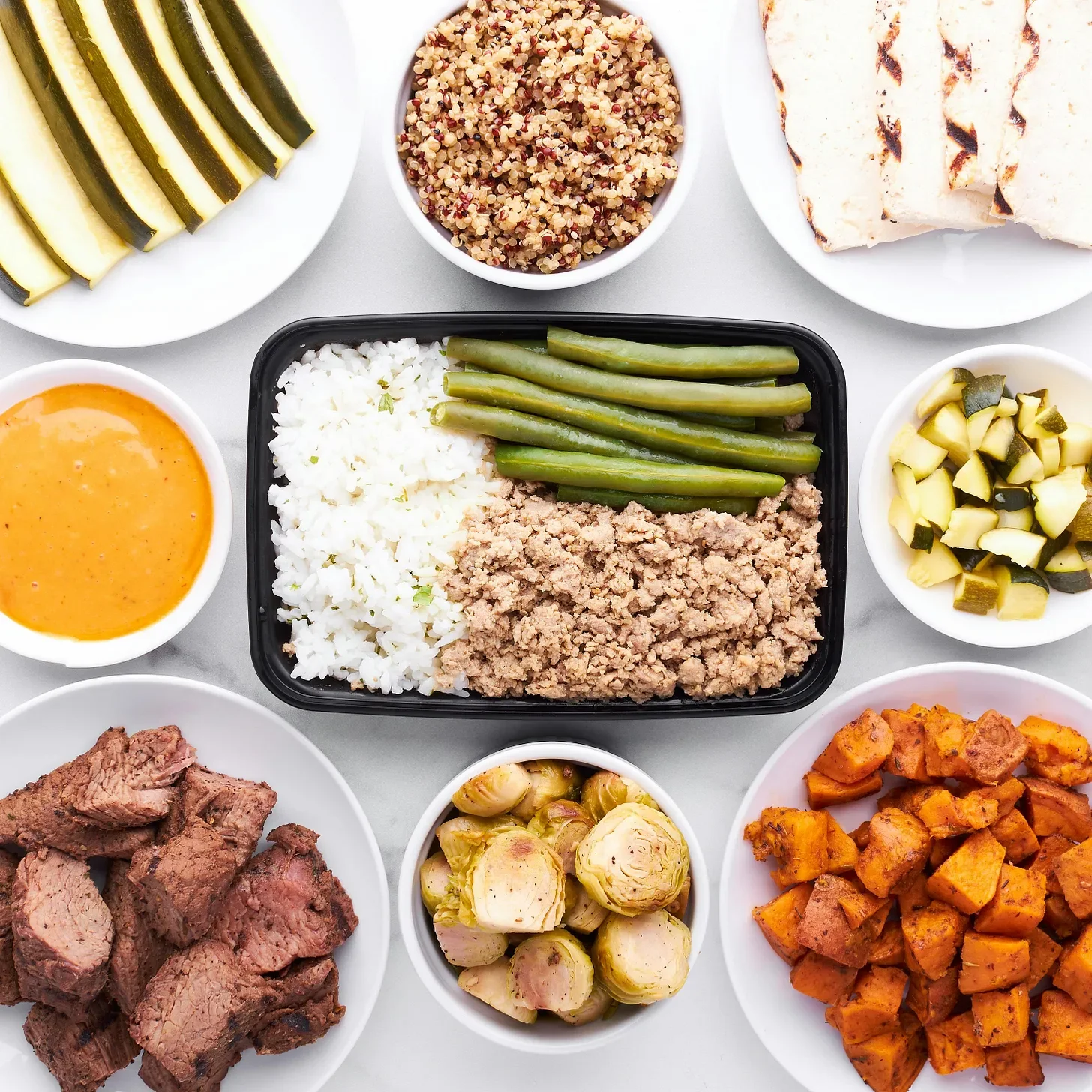
Prepare larger quantities of food, so you’re not starting from scratch every day. Cooking in bulk reduces daily kitchen work and ensures there’s always something ready when energy is low. A good idea would be to cook two large meals on one day and then have four days’ worth of meals (first meal, second meal, leftover of first meal, leftover of second meal)
9. Freeze meals in advance for busy days
Having frozen meals on hand can be a great relief. Soups, stews, curries, and cooked grains freeze well and can be reheated easily. Be sure to label and date everything so you know what you have available.
10. A pressure cooker can save a tremendous amount of time
Pressure cookers are excellent for cooking meats, lentils, and beans quickly while retaining nutrients. They are especially helpful when you need a meal ready without standing over the stove for long periods.
11. Make healthier versions of your favorite foods faster
Cook a simple protein—fish, meat, eggs, or beans—and pair it with a ready-made bagged salad, microwaveable vegetables, or a packet of whole grains. A balanced meal does not need to be time-consuming.
12. Do not try new recipes in Ramadan
Ramadan is not the month to experiment with unfamiliar cuisines or complicated dishes. New recipes often take more time and energy and can add unnecessary stress. Stick to your family’s familiar and loved meals, unless it’s a hobby you don’t find stressful.
13. Include hydrating drinks, alongside drinking water
Freshly squeezed juices, herbal teas, and infused water with lemon, mint, cucumber, or dates (nabeez) can help maintain hydration between iftaar and suhoor. Proper hydration supports energy levels and overall well-being during fasting.
A calm Ramadan does not come from doing more. It comes from deciding less. When meals are planned ahead of time, the days unfold with more ease, and the kitchen no longer feels like a burden. The goal is not impressive meals—it is nourishment, consistency, and barakah.
May Allah place ease in our homes, barakah in our food, and allow our efforts—small as they may feel—to support a more peaceful Ramadan.
Get the Ramadan Planner free as a member during the month of Ramadan by Subscribing!

Salam, I’m Zakeeya!
I believe that making our homes a safe haven for our families, as well as being a wife and mother, brings us great blessings, contentment, and benefits to society as a whole. Since 2011, I've been dedicated to assisting Muslimas in finding tranquility in their roles, taking better care of themselves, and achieving inner peace. Our journey in this world is not an easy one, but I pray the tools and guidance I offer will help you face life's challenges with more gratitude and mindfulness. Join me as I share wifehood, motherhood, homemaking, and lifestyle solutions that make life more fulfilling for you as a woman! Read more about me here.
Make Your Ramadan Run Smoothly!
Get Your Guide to a Healthy Ramadhan, a 135-page guide including 100+ recipes for Ramadan, and The Ramadan Cookbook, a 70-page cookbook filled with healthier options for recipes with less badness and more goodness! Plus, when you buy one book, you’ll get 33% off the second book.