Teaching Your Kids About Ramadan in a Simple and Meaningful Way

In Ramadan, I try to follow my usual schedule as much as possible, though the blessed month naturally brings some lifestyle adjustments. We keep Ramadan simple with our children by avoiding extravagance and keeping our meals easy. Ramadan only becomes complicated when we focus on its worldly aspects, such as eating and gift-giving, instead of its true essence: ibadah and reward.
Making Ramadan Special
When I talk to my children about Ramadan, I emphasize how extraordinary this month is. I allow them certain privileges, especially for those kids who are fasting, not to spoil them, but to make the days of Ramadan memorable in simple, meaningful ways, such as:
Staying up one or two hours later than their usual bedtime.
Using our best tableware and eating with special crockery and cutlery.
Sleeping in a sibling’s room of their choice or having a slumber party on the floor in one large room.
Occasionally choosing a favorite meal or dessert for iftar.
Visiting the masjid more often.
Hosting their friends for an iftar.
These are small ways to create positive memories. More importantly, I focus on teaching the ibadah aspects of Ramadan in a straightforward manner. Ramadan should not be overly strenuous for young children or cause them undue hardship. Instead, it should be a form of training, paired with good memories.
Explaining Fasting
To teach my young children the essential lessons of fasting, I explain that:
It is beneficial for our bodies as a form of cleansing.
It helps us feel the hunger of the poor and develop empathy.
We fast solely for Allah SWT to show our servitude to Him.
Fasting teaches honesty, since only Allah knows if we keep our fast.
It builds self-discipline and kindness by staying away from food and bad deeds.
I explain the essence of Ramadan first and leave matters such as waking them for suhoor or completing full fasts for later years. At iftar time, I teach them the sunnahs of breaking the fast with dates and water, the dua for breaking the fast, and, most importantly, not to overindulge or be extravagant with food.
Introducing Fasting
As a parent of many children, I have learned the importance of keeping things simple, not overdoing anything, or trying to accomplish too much at once.
My young children would attempt to fast after I explained the significance of Ramadan and the lessons behind fasting. Also, witnessing their parents fast, along with the excitement of staying up late and enjoying iftar together, was a strong motivation.
My youngest kids would abstain from snacks and lunch without complaint, simply to please Allah SWT. All it took was sitting down together and explaining the why and the reward.
Some of my children would even fast the entire month before it was compulsory, while others would skip a day and fast a day or fast for half a day as practice.
About Suhoor
Truthfully, having all six of my children wake up for suhoor was hectic. As moms, we have to wake everyone, prepare breakfast, clean up, and still try to fit in our own ibadah. To ease this burden on myself, my younger kids would have their “suhoor” at their usual breakfast time. They still learn restraint by fasting for many hours until the iftar dinner.
When a mother feels frustrated by the lack of time for her personal ibadah, she should remember that taking care of her family is ibadah too. Waking everyone for suhoor, reminding them to pray, caring for little ones, preparing iftar, fasting, and being patient are all great acts of worship that will be highly rewarded, inshallah.
Salah in Ramadan
Prayer is a major focus for us during Ramadan. During the day, I invite my children to pray with me, and in the evenings, when their father comes home, we pray together as a family. I keep this simple, focusing on establishing a regular prayer habit and teaching the blessings of praying in congregation.
My older children are taught how to make wudu, and I encourage them to do so immediately after using the bathroom to avoid joining the salah late. My younger children are given more leniency, so they do not yet make wudhu, but try to join the salah. All my kids are taught the importance of cleanliness of the body, clothes, and the prayer area.
I also teach basic prayer manners: respecting the adhan, standing still during prayer, reducing distractions, learning focus, and finding the qiblah. Over time, they learn to make iqamah, the number of rakaats in each salah, the positions of prayer, and supplications. When teaching young kids, take it slow and focus on getting them to perfect one lesson at a time.
Charity in Ramadan
My children learn that charity is not limited to money. It includes kindness in actions, speech, and behavior. During Ramadan, we work on being more patient with one another, helping siblings, serving elders, and being considerate of neighbors.
I remind them to control arguments, reduce pettiness, and show compassion at home. Guiding children is challenging, but consistency and leading by example are key. Expect mistakes and repetition because that is part of parenting.
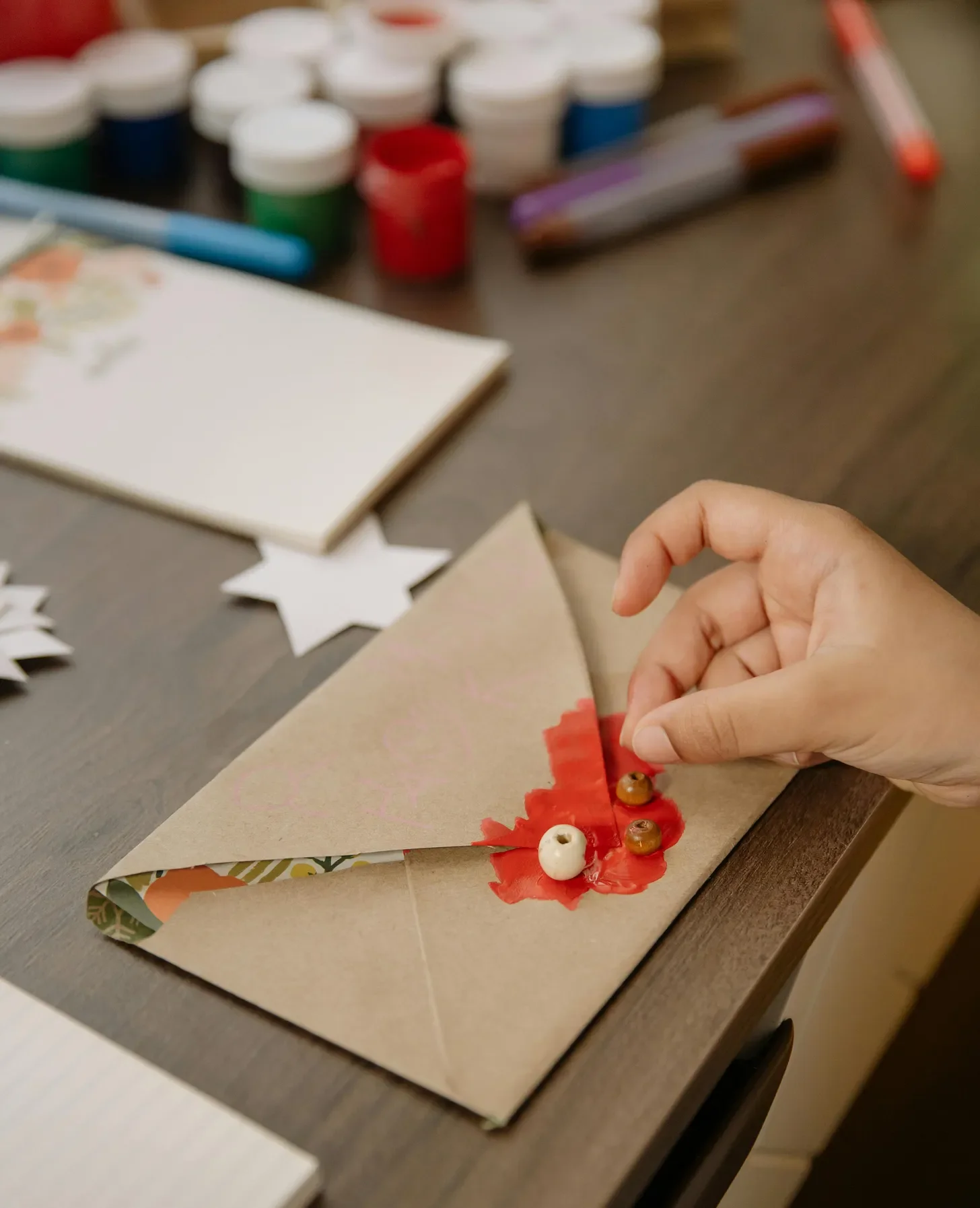
We start with simple acts like smiling more, greeting one another warmly, calling relatives, writing letters or drawing pictures for loved ones, improving table manners, keeping cleaner habits, and sharing homemade treats. Charity exists in many forms, so it is good to teach them the different ways.
Teaching Qur’an and the Sunnah in Ramadan
My younger children listen to Juz Amma through audio, and my older children are encouraged to read the Qur’an daily. We also read the Quran translation together often, and sometimes my older kids will read stories from the Quran to their younger siblings.
My husband will find an Islamic quiz online about the Qur’an and quiz our kids during the last hour before iftar. My kids enjoy competing for points, and we love to teach our kids in a fun way, as we see how well knowledge gets absorbed.
We also listen to Islamic audiobooks by authors such as Maryam Sinclair and Khurram Murad. These activities keep my children engaged while allowing time for ibadah and household preparations.
Love and Mercy in Ramadan
I speak often to my kids about Allah’s love and mercy. I remind them that everything they have, from their toys to their health, is from Allah alone. I teach them about His forgiveness and encourage them to show mercy by forgiving siblings, expressing love, and appreciating one another.
We also observe nature together during Ramadan. When children examine the life of a small insect or the order of creation, they develop awe for Allah’s greatness. Science, when taught correctly, strengthens faith and deepens love for the Creator.
Do not overwhelm yourself by trying to do everything in one Ramadan. Take small, intentional steps and use wisdom in deciding what to focus on. Children learn best through repetition and reinforcement. Teaching one thing well is better than teaching many things too quickly.
I hope these reflections help you experience a productive and meaningful Ramadan with your children.
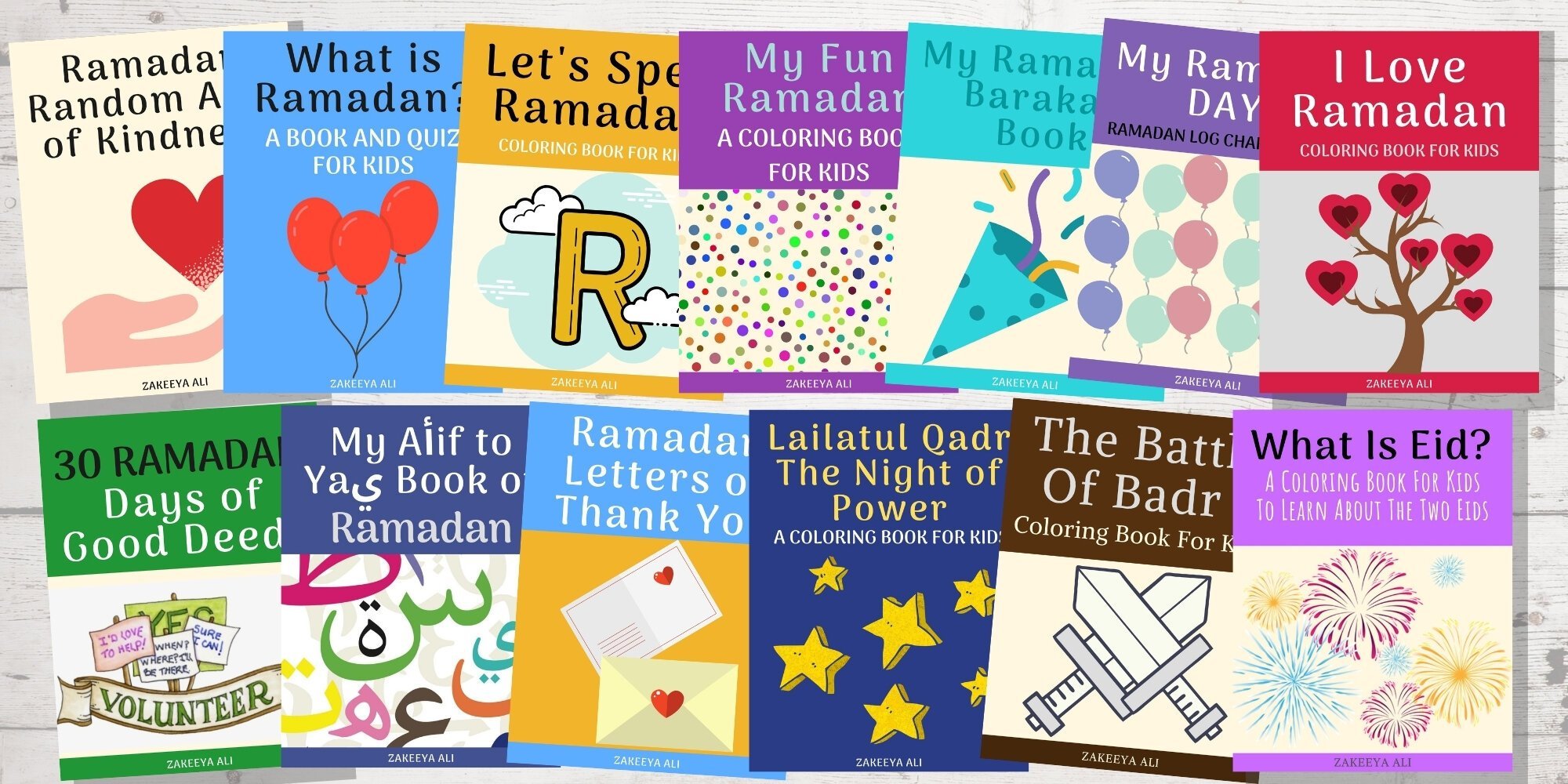
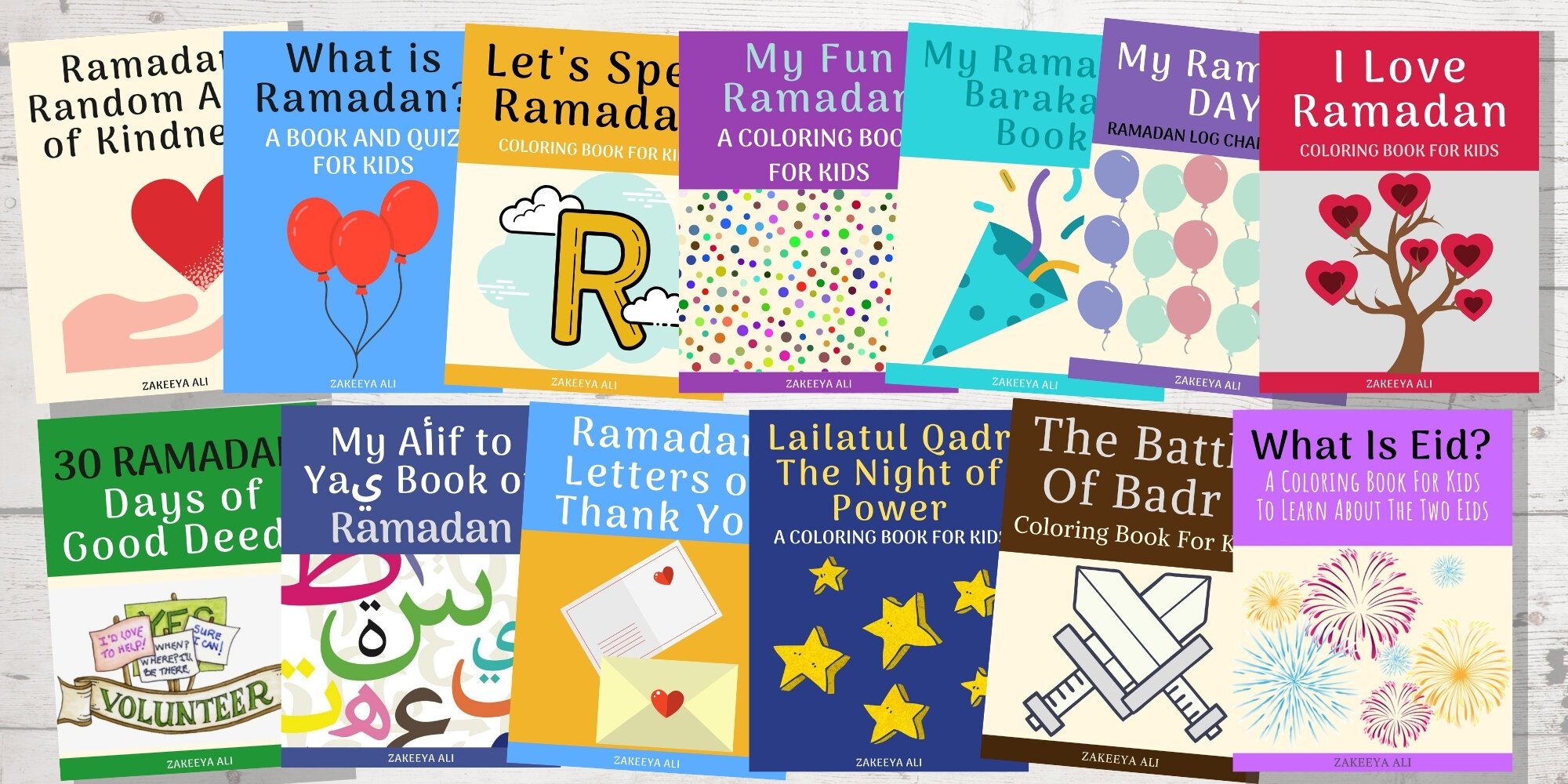
Get these printable Ramadan kids’ activity books free during Ramadan when you subscribe!
Salam, I’m Zakeeya!
I believe that making our homes a safe haven for our families, as well as being a wife and mother, brings us great blessings, contentment, and benefits to society as a whole. Since 2011, I've been dedicated to assisting Muslimas in finding tranquility in their roles, taking better care of themselves, and achieving inner peace. Our journey in this world is not an easy one, but I pray the tools and guidance I offer will help you face life's challenges with more gratitude and mindfulness. Join me as I share wifehood, motherhood, homemaking, and lifestyle solutions that make life more fulfilling for you as a woman! Read more about me here.
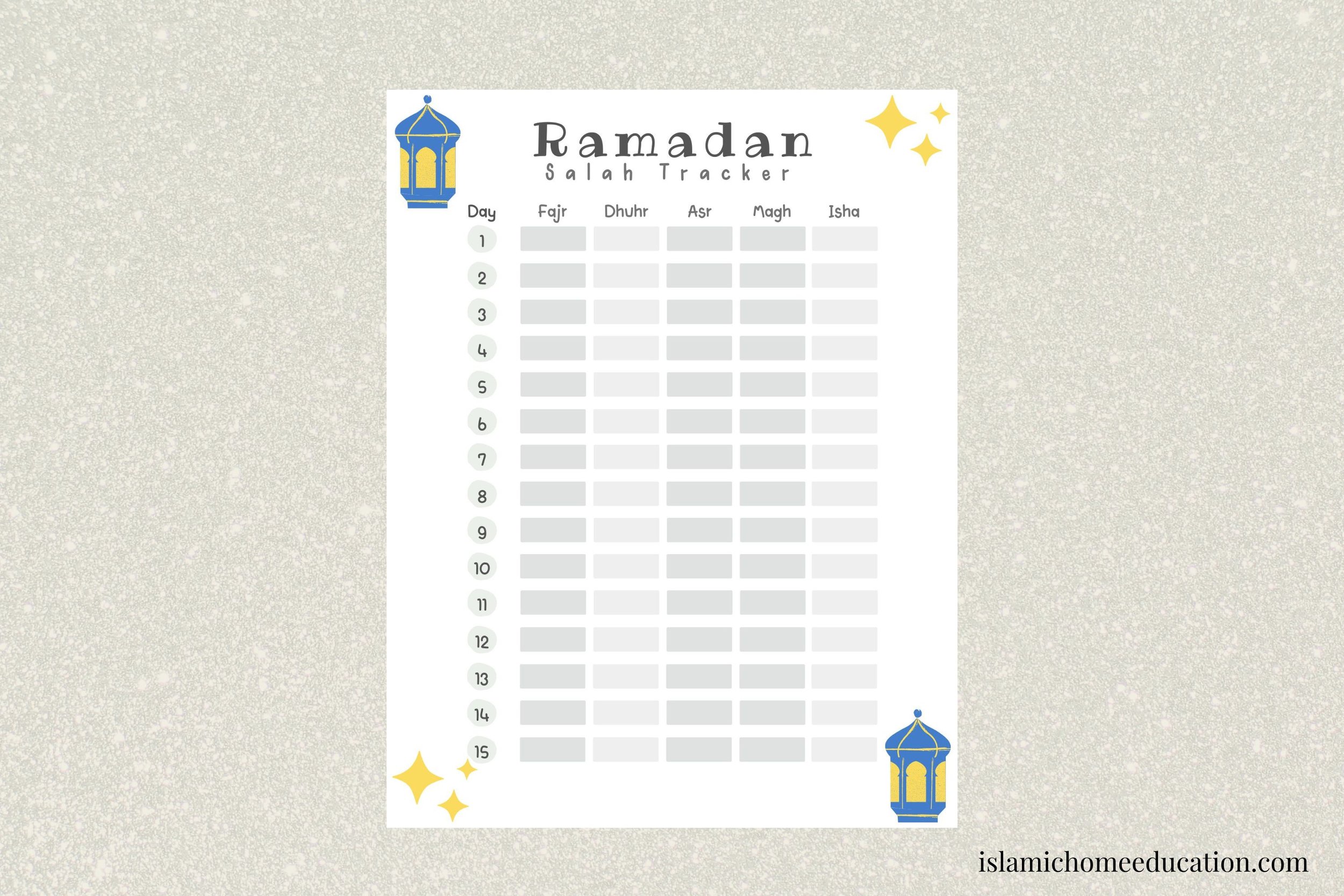
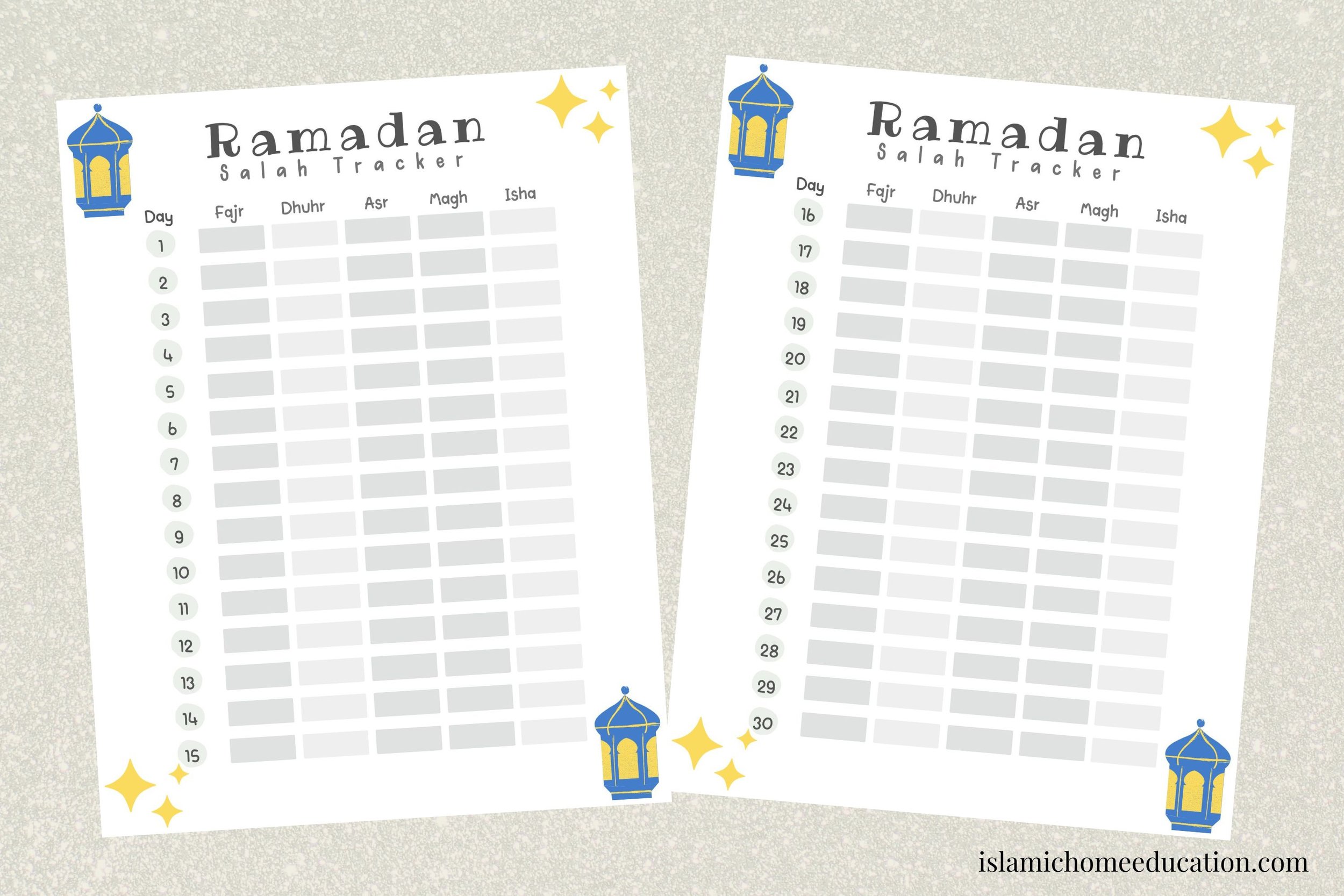
Enjoy a Free Ramadan Salah Tracker Printable for Your Child. Simply subscribe HERE!
Make Your Ramadan Run Smoothly!
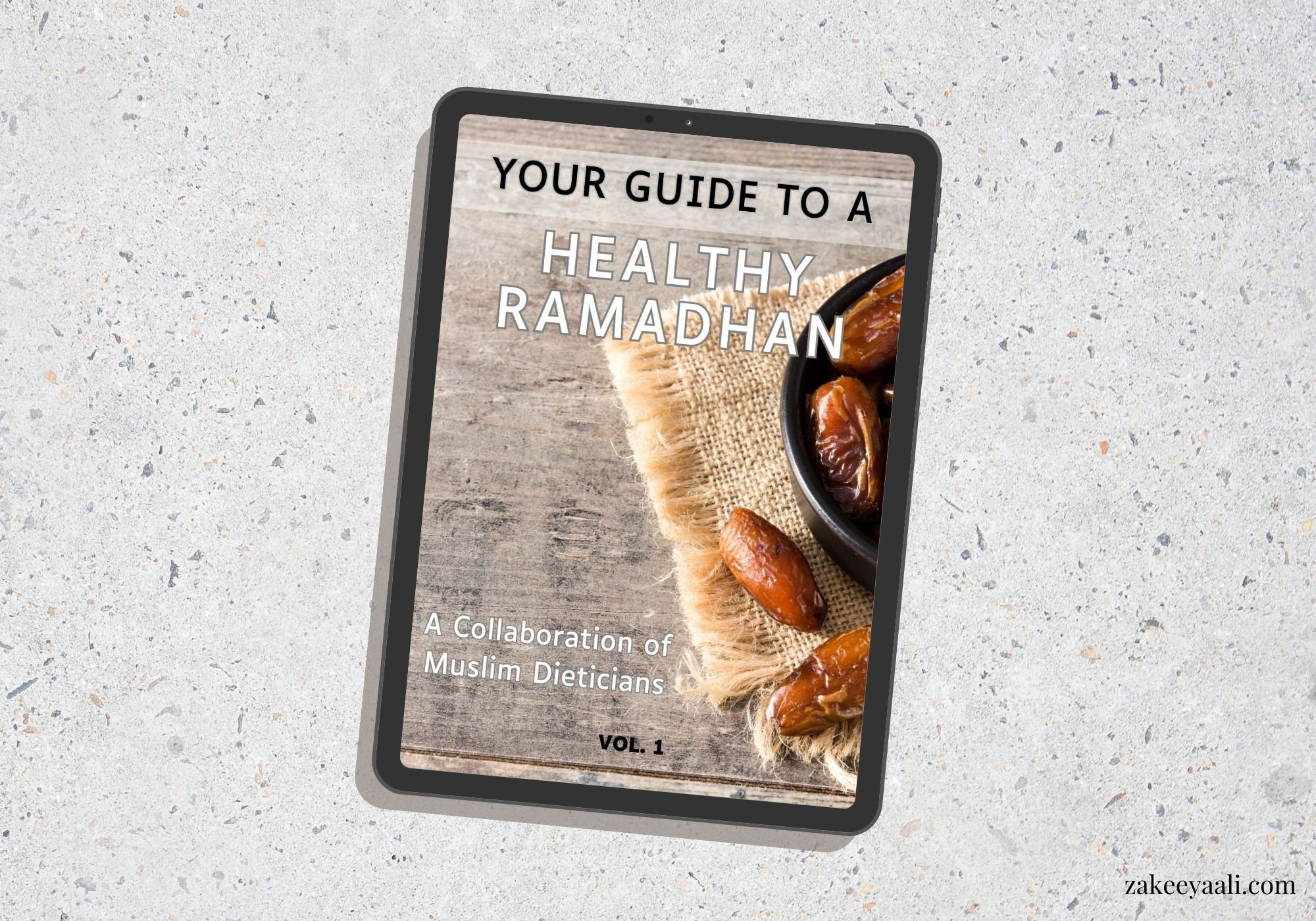
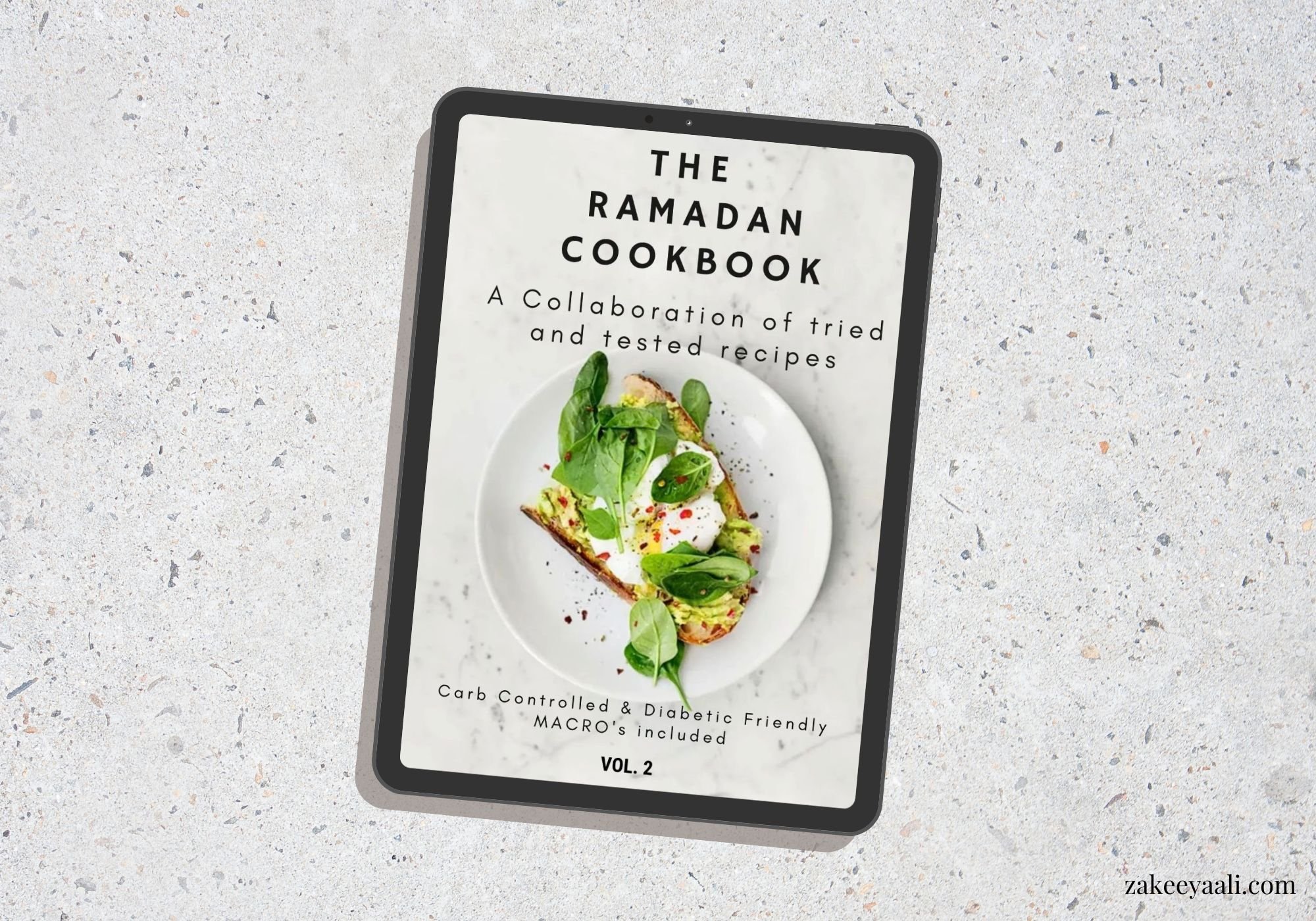
Get Your Guide to a Healthy Ramadhan, a 135-page guide including 100+ recipes for Ramadan, and The Ramadan Cookbook, a 70-page cookbook filled with healthier options for recipes with less badness and more goodness! Plus, when you buy one book, you’ll get 33% off the second book.