Nourishing Our Families The Sunnah Way In Ramadan

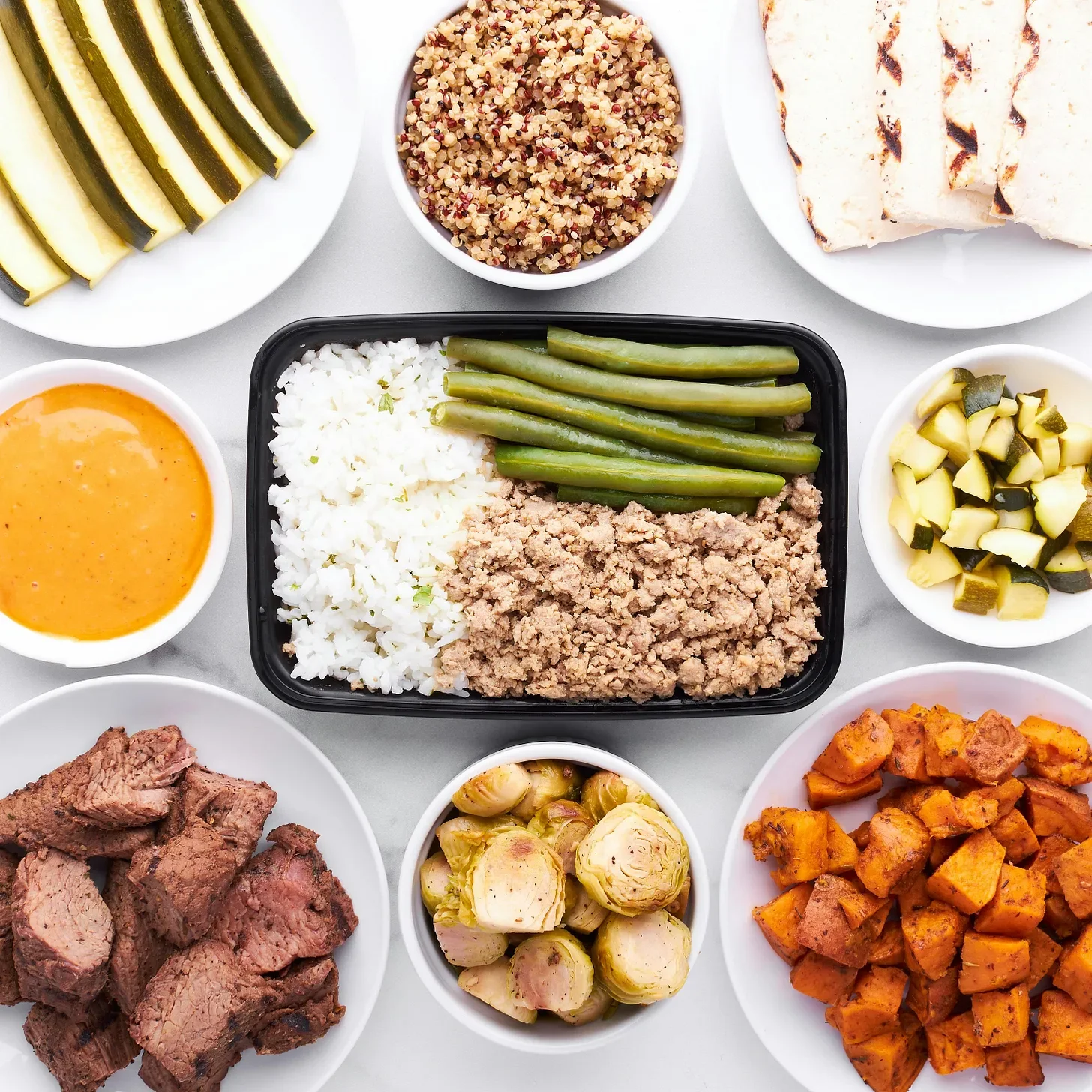
When our children want to fast, especially the younger ones, we must ensure they are nourished properly at suhoor and iftaar. That means real food that sustains the body, supports energy, and prevents weakness. Things like dates, water, fruits, vegetables, protein, and fiber should always come first.
I know many parents love to reward their children with desserts and treats during Ramadan, especially if they fast—and that’s understandable. But try to make sweets secondary, and let them come after the good, nourishing foods. What we give our children to eat is an amanah.
Below are Sunnah-based and wholesome superfoods that are especially beneficial to eat during Ramadan.
Sunnah Superfoods for Ramadan
Dates
Dates are the most mentioned fruit in the Qur’an, and for good reason. They are rich in natural sugars, fiber, iron, and essential vitamins and minerals—perfect for breaking the fast gently.
The Prophet SAW said the following:
“The home in which there are no dates is like the home in which there is no food.” (Sahih Muslim)
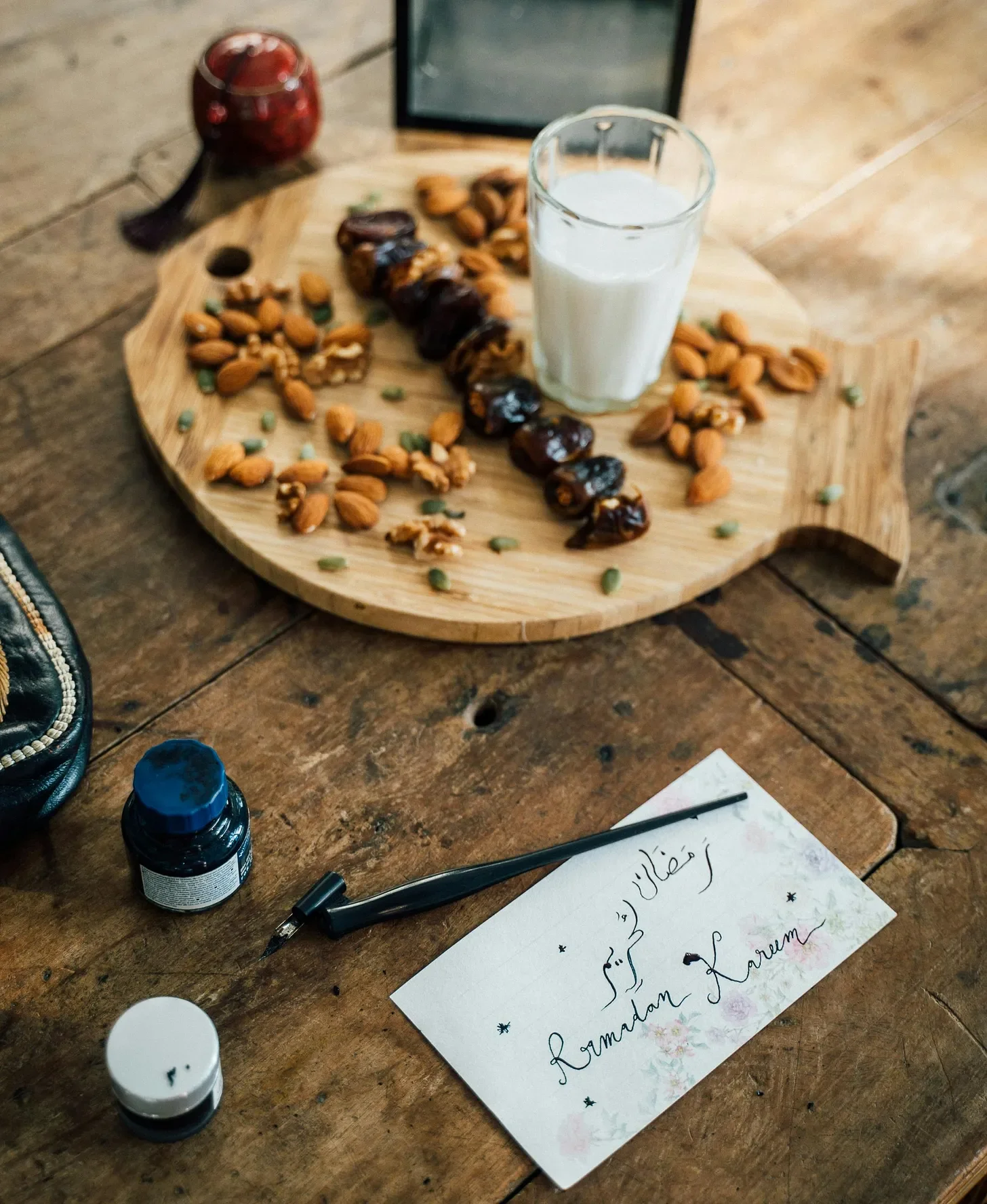
He SAW, would break his fast with fresh dates and water or dried dates if fresh ones were unavailable. Dates were often eaten with cucumber, butter, cream, or bread, or made into a simple dish called Haisa with butter, dates, cheese, and yogurt.
Practical tips:
Break your fast with dates and water.
Add chopped dates to salads, oatmeal, or yogurt.
Use dates in smoothies, date milk, or homemade snacks.
Mash dates as a natural spread for suhoor.
Olives and Olive Oil
Olives and olive oil come from a blessed tree. Olive oil supports heart health, reduces inflammation, and is gentle on digestion.
The Prophet SAW said:
“Eat the olive and use its oil, for it comes from a blessed tree.” (Tirmidhi)
Practical tips:
Use olive oil raw for salads and bread dipping.
Cook lightly with olive oil when needed.
Add olives to salads, flatbreads, or savory dishes.
Barley
Barley was a staple in the diet of the Prophet SAW. It is rich in soluble fiber, keeps you full longer, stabilizes blood sugar, and supports digestion—making it excellent for suhoor.
Barley was used to make:
Talbinah (barley porridge with milk)
Tharid (barley bread with meat gravy)
Sawiq (a barley-based broth)
Talbeenah was also recommended for sadness and weakness.
Practical tips:
Prepare Talbinah for suhoor with milk and honey.
Add barley to soups and broths.
Use barley flour mixed with regular flour for rotis or bread.
Honey
Honey is a healing food mentioned directly in the Qur’an:
“There comes forth from their bellies a drink of varying colors, wherein is healing for mankind.” (Qur’an 16:68–69)
The Prophet SAW loved honey and sweet drinks and said:
“Make use of two cures: honey and the Qur’an.” (Ibn Majah)
Practical tips:
Sweeten tea, milk, or water with raw honey.
Mix honey with cinnamon as a suhoor spread.
Use honey instead of refined sugar whenever possible.
Grapes and Raisins
Grapes are rich in antioxidants, and raisins provide quick energy and minerals. The Prophet SAW loved grapes and consumed Nabeez, a drink made from soaked raisins.
Practical tips:
Prepare Nabeez by soaking raisins overnight and drinking within 12 hours.
Serve grapes as dessert or in salads.
Eat raisins with nuts after taraweeh for gentle energy.
Milk and Yogurt
Excellent sources of calcium, protein, and hydration. Yogurt also supports gut health.
Add yogurt to iftaar or suhoor.
Pair with dates, honey, or fruit.
Lentils and Beans
High in protein, iron, and fiber—especially beneficial for growing children and fasting teens.
Lentil soups for iftaar.
Beans added to rice or stews.
Nuts and Seeds (Almonds, Walnuts, Chia, Flax)
Provide healthy fats and long-lasting energy.
Add to oatmeal or yogurt.
Blend into smoothies.
Eat a small handful at suhoor.
Vegetables
Especially leafy greens, carrots, cucumbers, and squash.
Soups and stews are gentle and nourishing.
Salads add hydration and fiber.
A Gentle Reminder
The Sunnah way of eating is the healthiest way of eating. When we revive these simple practices in our homes, we nourish both body and soul.
Eat simply. Eat mindfully. Eat with gratitude.
Fill one-third of your stomach with food, one-third with water, and leave one-third for air. Eat together. Sit humbly. Say Bismillah before eating and Alhamdulillah after eating.
Our greatest reward is not just good health—it is following the way of the Messenger of Allah SAW.
“Whoever follows my Sunnah truly loves me, and whoever loves me will be with me in Jannah.” (Tirmidhi)
May Allah place barakah in our food, protect our children, and allow us to nourish our families in ways that please Him, ameen.
Salam, I’m Zakeeya!
I believe that making our homes a safe haven for our families, as well as being a wife and mother, brings us great blessings, contentment, and benefits to society as a whole. Since 2011, I've been dedicated to assisting Muslimas in finding tranquility in their roles, taking better care of themselves, and achieving inner peace. Our journey in this world is not an easy one, but I pray the tools and guidance I offer will help you face life's challenges with more gratitude and mindfulness. Join me as I share wifehood, motherhood, homemaking, and lifestyle solutions that make life more fulfilling for you as a woman! Read more about me here.
Make Your Ramadan Run Smoothly!
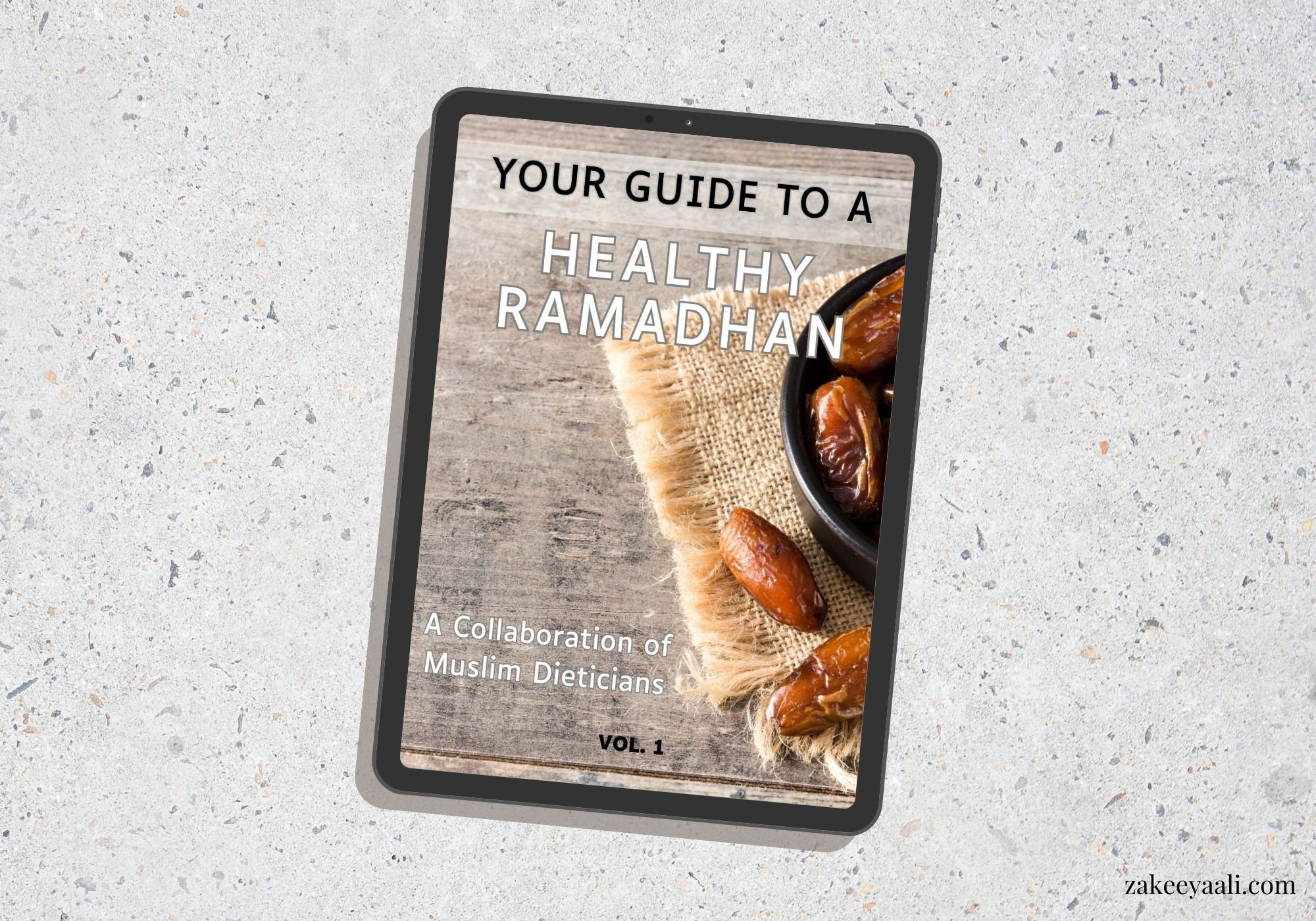
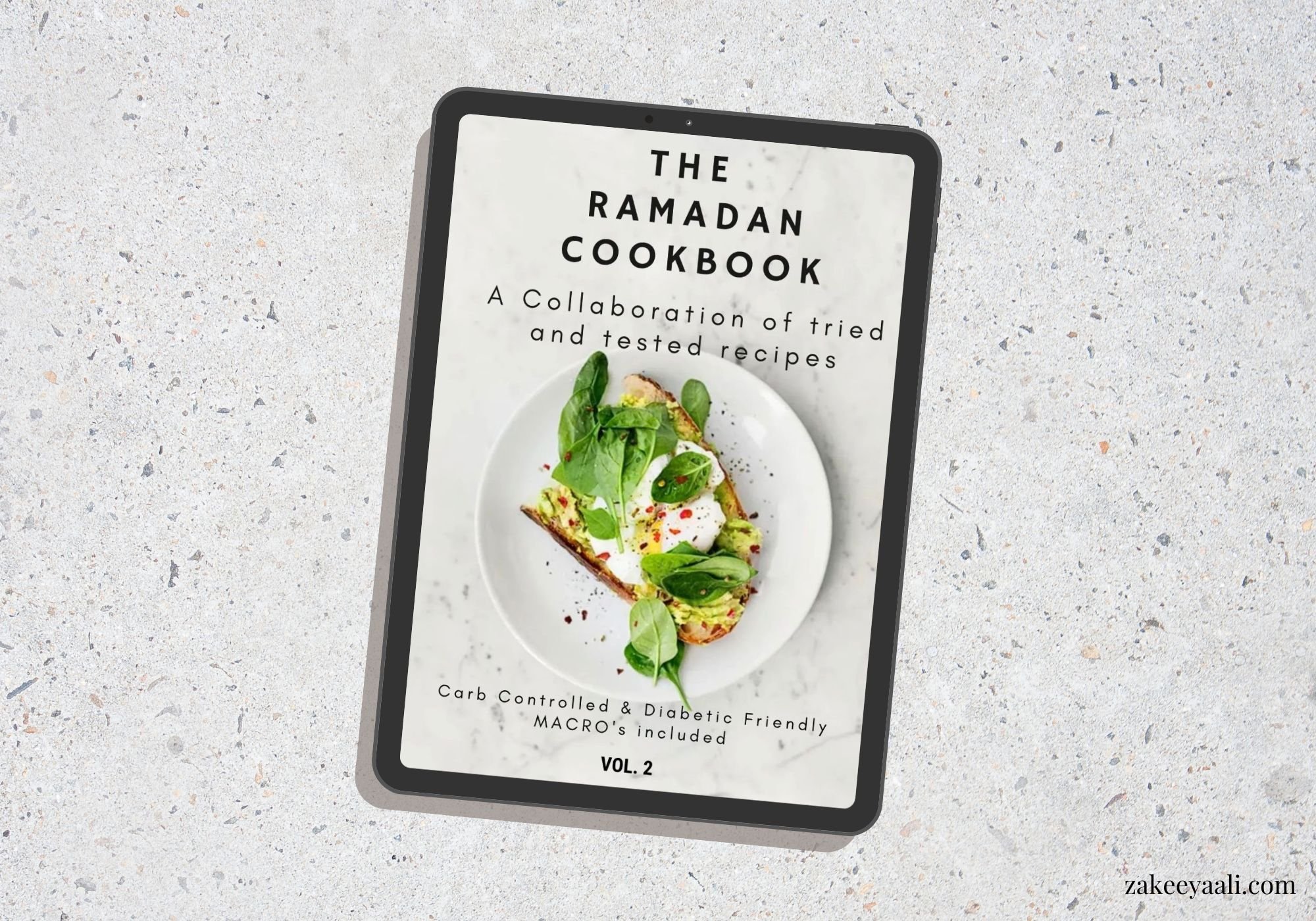
Get Your Guide to a Healthy Ramadhan, a 135-page guide including 100+ recipes for Ramadan, and The Ramadan Cookbook, a 70-page cookbook filled with healthier options for recipes with less badness and more goodness! Plus, when you buy one book, you’ll get 33% off the second book.